San Diego microplastics and heavy metals removal. Address only what testing confirms.
Microplastics and metals pose different analytical and treatment questions. Skip assumptions based on citywide data, plumbing age, taste, appearance, or a quick field check. Begin with the serving utility's latest report and current notices. For property-level metals, partner with a state-certified laboratory and stick to its sampling procedure. For microplastics, reach out to the water supplier or a qualified lab to learn what method, particle range, and result interpretation they offer; routine certified drinking-water testing does not include it by default. Pick equipment only when the exact model shows an independent reduction certification for the specific contaminant identified. NSF/ANSI 53 addresses particular health-effect claims, and NSF/ANSI 58 applies to reverse-osmosis systems, but no single standard number by itself proves every reduction. NSF's product directory separately lists models with Microplastics Reduction claims under NSF/ANSI 401. Verify the specific model and replacement element; a 401 certification does not confirm that every filter reduces microplastics.
Last updated April 23, 2026 · Coverage across all of San Diego County
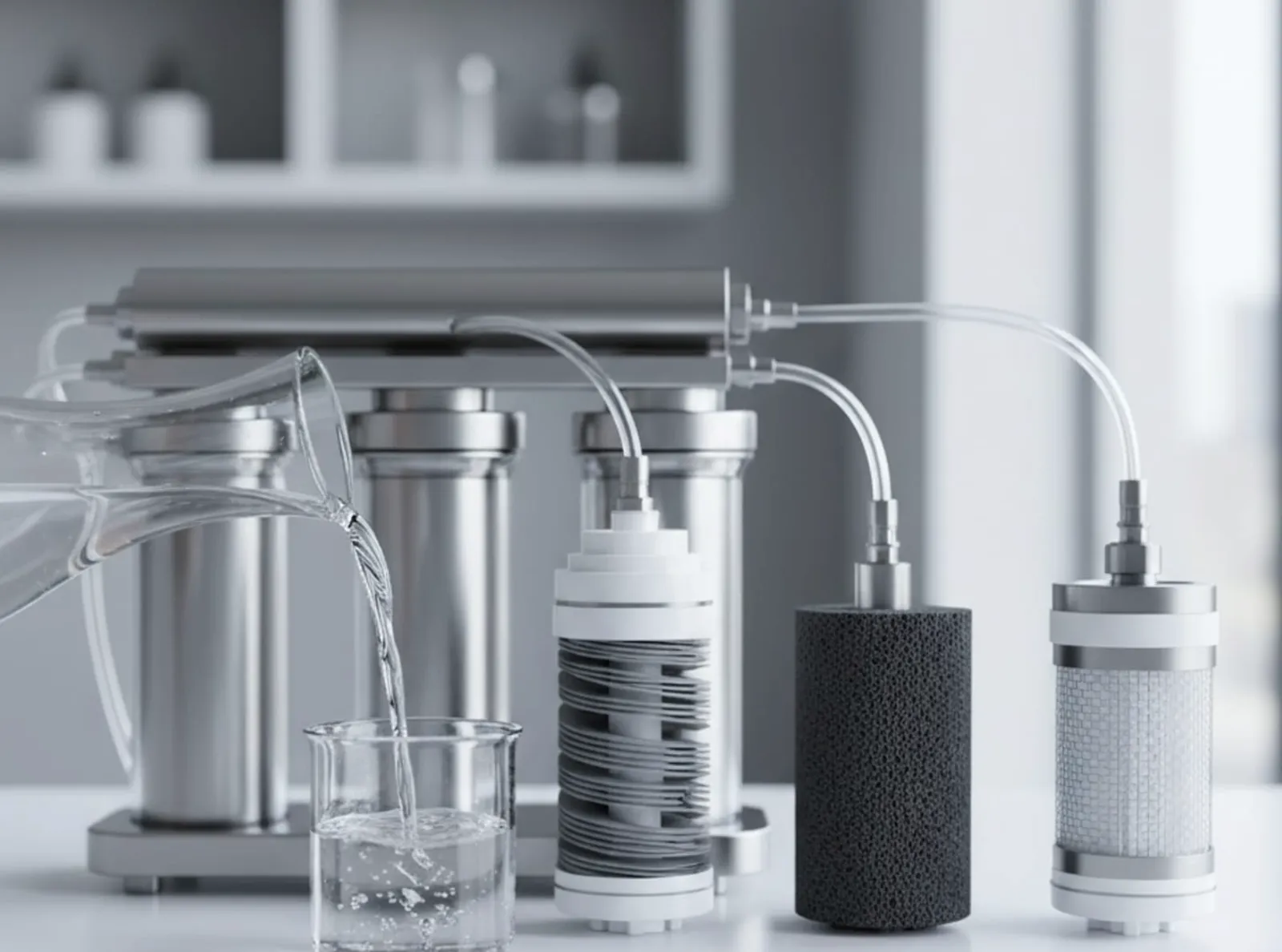
What's included in microplastics and heavy metals removal?
- Current utility report and notice review
- Testing advice tied to the particular metal or particle concern
- Reviewing the sampling plan for plumbing-driven metals concerns
- Distinct assessment of particulate and dissolved components
- Exact-model certified reduction claim confirmation
- Point-of-use and point-of-entry scope comparison
- Filter capacity, upkeep, and replacement cost review
- Connection to an independent licensed provider for a written scope and quote
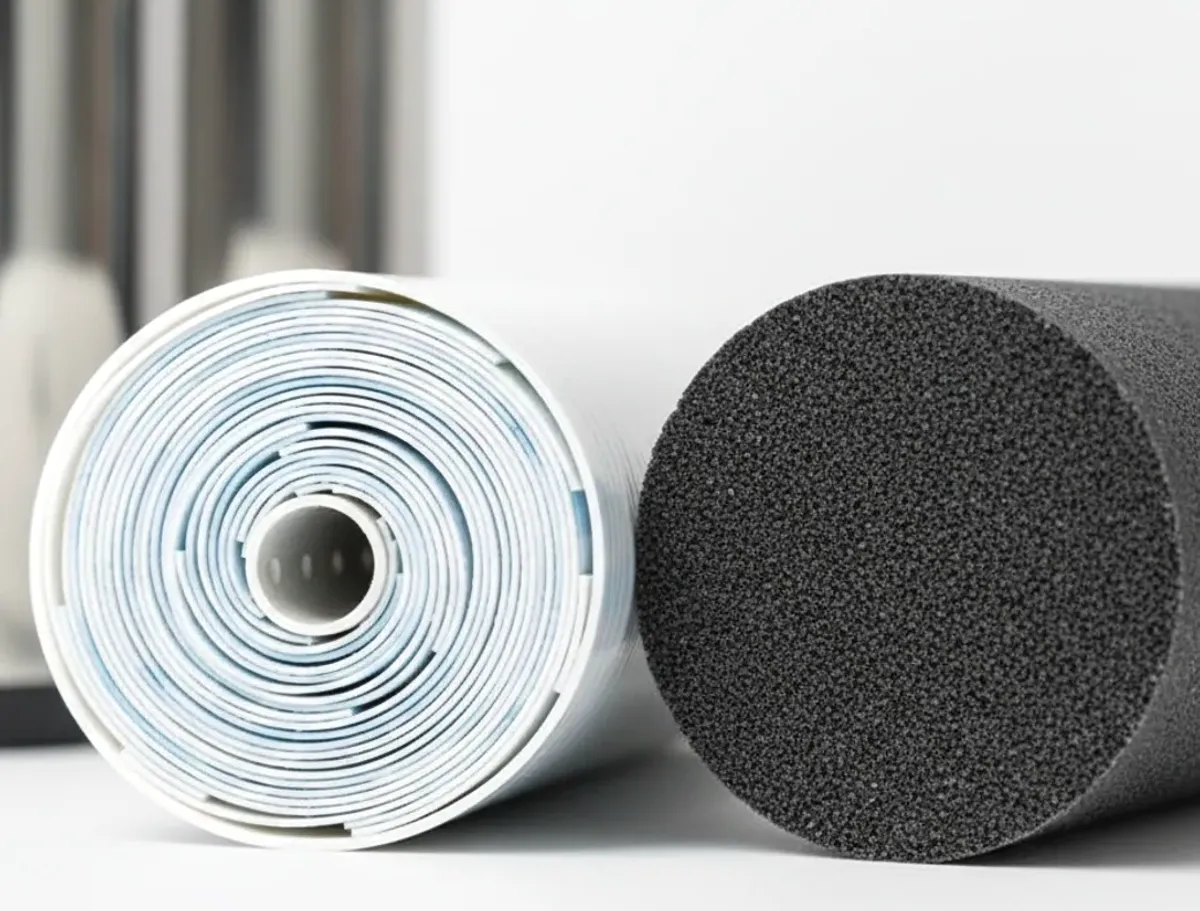
When do you need microplastics and heavy metals removal?
- An existing report, notice, or lab finding points to a specific constituent
- Plumbing work or fixture condition raises an address-specific metals concern
- A certified reduction claim should cover your specified metal or particle range
- You want to weigh one-tap against whole-home treatment coverage
- Before choosing, weigh filter capacity and replacement costs
- An official advisory requires a particular testing or treatment response
What questions do San Diego homeowners have about microplastics and heavy metals removal?
Could microplastics be showing up at my San Diego tap?
Citywide facts can't speak for one tap. Check current utility information and use a lab method suited to the specific particles; confirm sampling and how to read the results before picking treatment.
How do I know if my water has elevated metals?
Pull the serving utility's current report and use a state-certified lab matched to the specific metals of concern. Follow the sampling steps because home plumbing and when you draw the sample can shift what the result shows for your particular address.
Can reverse osmosis reduce lead?
A specific reverse osmosis unit might lower lead, but only when it carries an independent lead-reduction certification. NSF/ANSI 58 covers RO systems as a category, though the standard number alone doesn't certify each model for lead; verify the actual listing and tested conditions.
Will a basic pitcher filter handle microplastics and metals?
It only works when the specific model carries certifications matching the exact metal or particle range you're targeting. Don't read into the pitcher format or a passing NSF mention; confirm the model's listing, capacity, and replacement instructions.
Where in San Diego County do we offer microplastics and heavy metals removal?
We connect homeowners with microplastics and heavy metals removal pros in every San Diego County city and community. Pick your city for local climate notes and service specifics.
See microplastics and heavy metals removal in all 67 cities
Need microplastics and heavy metals removal in San Diego County?
Give us a call to set up a free in-home water test and get connected with a separately licensed pro.