Reverse osmosis systems in San Diego: pick the model that fits your tap
A point-of-use reverse osmosis system uses pressure and a semipermeable membrane to make treated water and a separate reject stream. It usually feeds one fixture, like a dedicated kitchen faucet. The contaminants reduced, production speed, efficiency, power needs, and service interval depend on the model and installation. Clear Water Pros SD is a referral network. We connect homeowners with independently licensed local pros who review the treatment goal, water source, space, plumbing, and the model's certified claims before giving a quote.
Last updated April 23, 2026 · Coverage across all of San Diego County
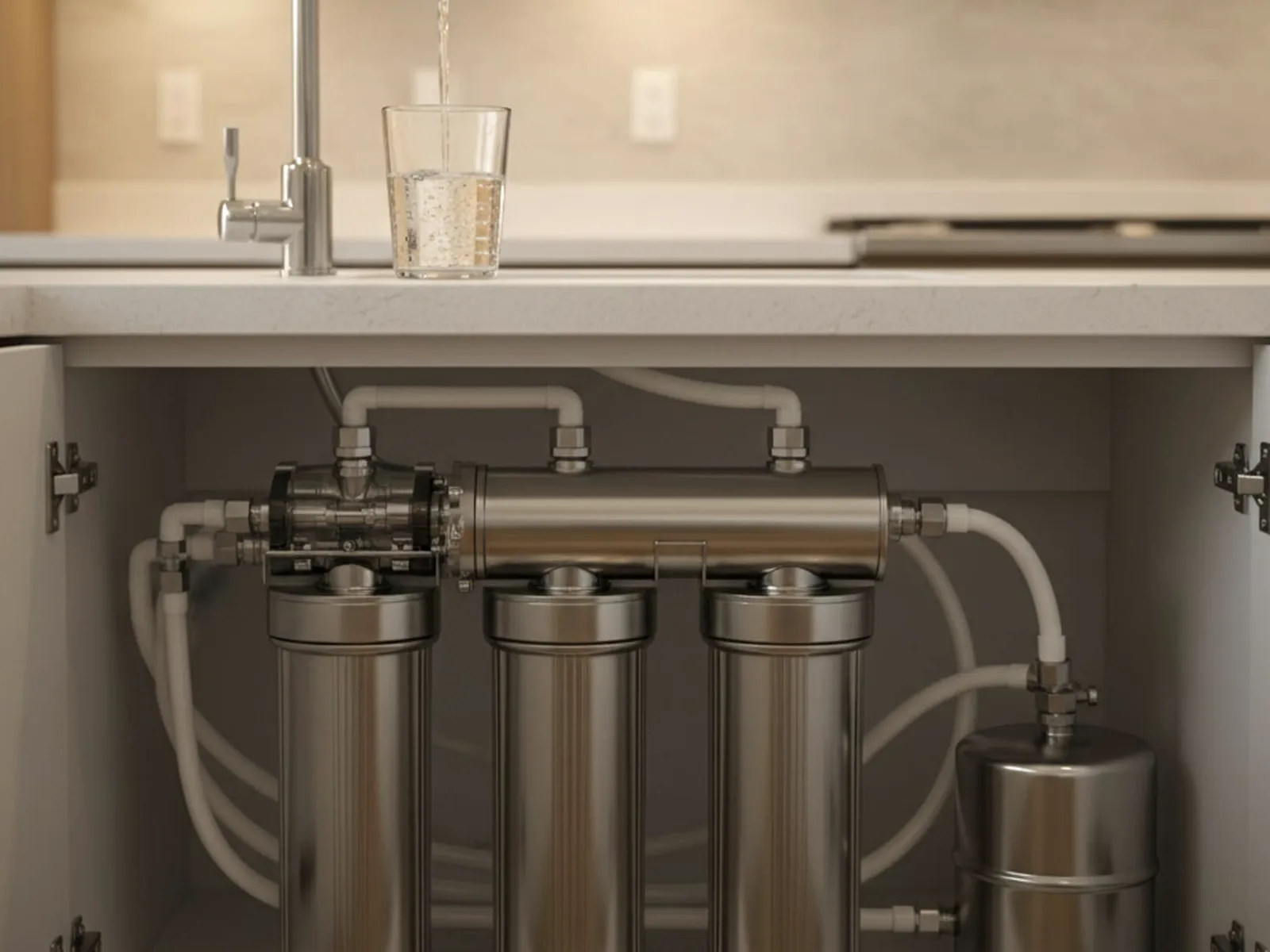
What's included in reverse osmosis drinking water?
- A no-cost in-home water check covering what the provider can evaluate, with lab testing brought up if the situation calls for it.
- A side-by-side review of point-of-use scope, available space, plumbing hookups, drain access, and household demand.
- The specific brand and model number assigned to your selected drinking-water tap
- The manufacturer's certification listing and the reduction claims that match the contaminants you're trying to treat.
- Rated output, tank or tankless design, and any electrical or pressure needs.
- The stated reject-water rate or efficiency metric, clearly labeled so options can be compared correctly.
- Faucet and refrigerator-line scope if the system and kitchen plumbing can handle those connections.
- Filter and membrane replacement schedules, part numbers, and projected ownership costs.
- A written provider quote listing equipment, installation, testing, and follow-up.
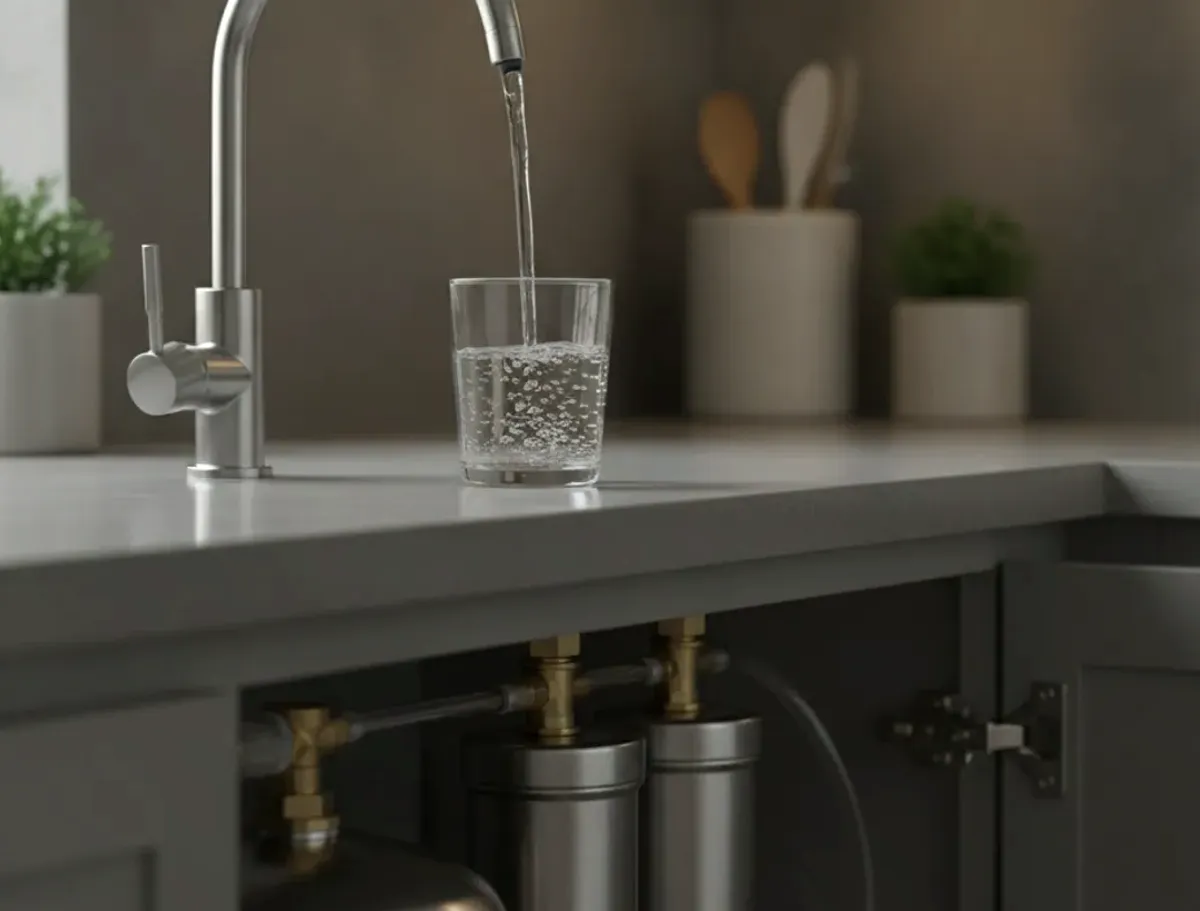
When do you need reverse osmosis drinking water?
- You want treatment at a single drinking-water tap rather than at every fixture in the home
- A current utility report or an appropriate laboratory test identifies a specific concern that an exact RO model is certified to reduce
- You're weighing an RO system against a pitcher, carbon filter, or another point-of-use option using certified claims.
- Sufficient cabinet space and plumbing are required for both the proposed system and the reject-water connection.
- You're ready to follow the manufacturer schedule for changing filters, servicing the membrane, and sanitizing the unit
- You want a refrigerator connection, and the matched pro has confirmed the system and plumbing are compatible
What questions do San Diego homeowners have about reverse osmosis drinking water?
How much does it cost to operate a reverse osmosis system here in San Diego?
Replacement filters and membranes, electricity use for units that need power, water lost to the reject stream, and service fees from the provider all add to long-term cost. Get the manufacturer's replacement schedule with part numbers in writing so the licensed provider can quote both the install and upkeep based on your actual unit rather than a generic average.
How does a reverse osmosis water filter hold up against a pitcher filter?
The answer depends on the specific concern and the exact products you're considering. Compare the certified reduction claims, capacity, flow, replacement schedule, installation needs, and water use of each model. An RO system requires a reject-water connection and may need more space or plumbing work, whereas many pitcher filters are easier to set up and maintain.
Does reverse osmosis remove PFAS?
Certain point-of-use RO systems can reduce specific PFAS compounds, but holding NSF/ANSI 58 certification by itself doesn't promise PFAS reduction. Double-check that the full, exact model you want is independently certified for the particular PFAS claim that matters to you. Run an appropriate lab test if you need to find out whether PFAS is showing up at your tap.
Does RO remove beneficial minerals?
RO does cut down dissolved materials like minerals, though how much you reduce depends on the membrane, the system layout, and how it's running. If the taste or the mineral content after treatment is important to you, find out whether the specific model comes with or allows a post-treatment stage and what that stage actually does. Don't lean on a general RO claim when you're making a medical choice.
How much water does an RO system waste?
Each point-of-use RO unit sends out two streams: treated water and reject water. When comparing models, make sure the same measurement is used. A reject-to-treated ratio is not the same as efficiency, which is treated water divided by incoming water. Under EPA WaterSense specifications, certified models keep reject water to 2.3 gallons or less per gallon of treated water during the program's test conditions. Request the proposed model's certified performance data, since real-world results often differ from lab numbers.
How often do RO filters need replacing?
Run the swap on the cadence your model's maker calls for. How long filters and membranes last depends on the unit, the incoming water, household use, and operating conditions. Ask the matched pro to put every filter and membrane part number, the replacement cadence, who'll do the job, and the total price, all down in the written estimate.
Can I connect my RO system to my refrigerator?
It can work in some cases, depending on the RO system, available pressure, the run length, and the existing kitchen plumbing. Have the licensed provider verify compatibility up front and list the supply line, fittings, and any required pressure equipment in the written scope.
Where in San Diego County do we offer reverse osmosis drinking water?
We connect homeowners with reverse osmosis drinking water pros in every San Diego County city and community. Pick your city for local climate notes and service specifics.
See reverse osmosis drinking water in all 67 cities
Need reverse osmosis drinking water in San Diego County?
Give us a call to set up a free in-home water test and get connected with a separately licensed pro.