Choosing a drinking water setup involves personal taste and measurable output. Alkaline water in San Diego appeals to some homeowners for its flavor profile. That preference does not equal a health guarantee or medical outcome. The real task is comparing specific treatment units side by side. You need to know what each device removes, what it adds back, and the upkeep required. Clear Water Pros SD connects residents across San Diego County with independent, separately licensed local professionals who handle that work.
Understanding pH and treatment methods
Water registers as alkaline when its pH reading climbs above 7. Different equipment achieves this result through entirely separate processes. An ionizer uses electrolysis to alter the incoming supply directly. A remineralization cartridge sits downstream from another filter stage and introduces minerals based on its specific design. Bottled brands and liquid mineral drops rely on their own unique formulations.
These approaches are not interchangeable. Raising the pH number does not mean the water is filtered. A simple pH measurement cannot reveal fluoride, chloramine, PFAS, hardness, or any other specific substance. It also fails to prove that a device holds a certified reduction claim.
Why reverse osmosis pairs with mineral cartridges
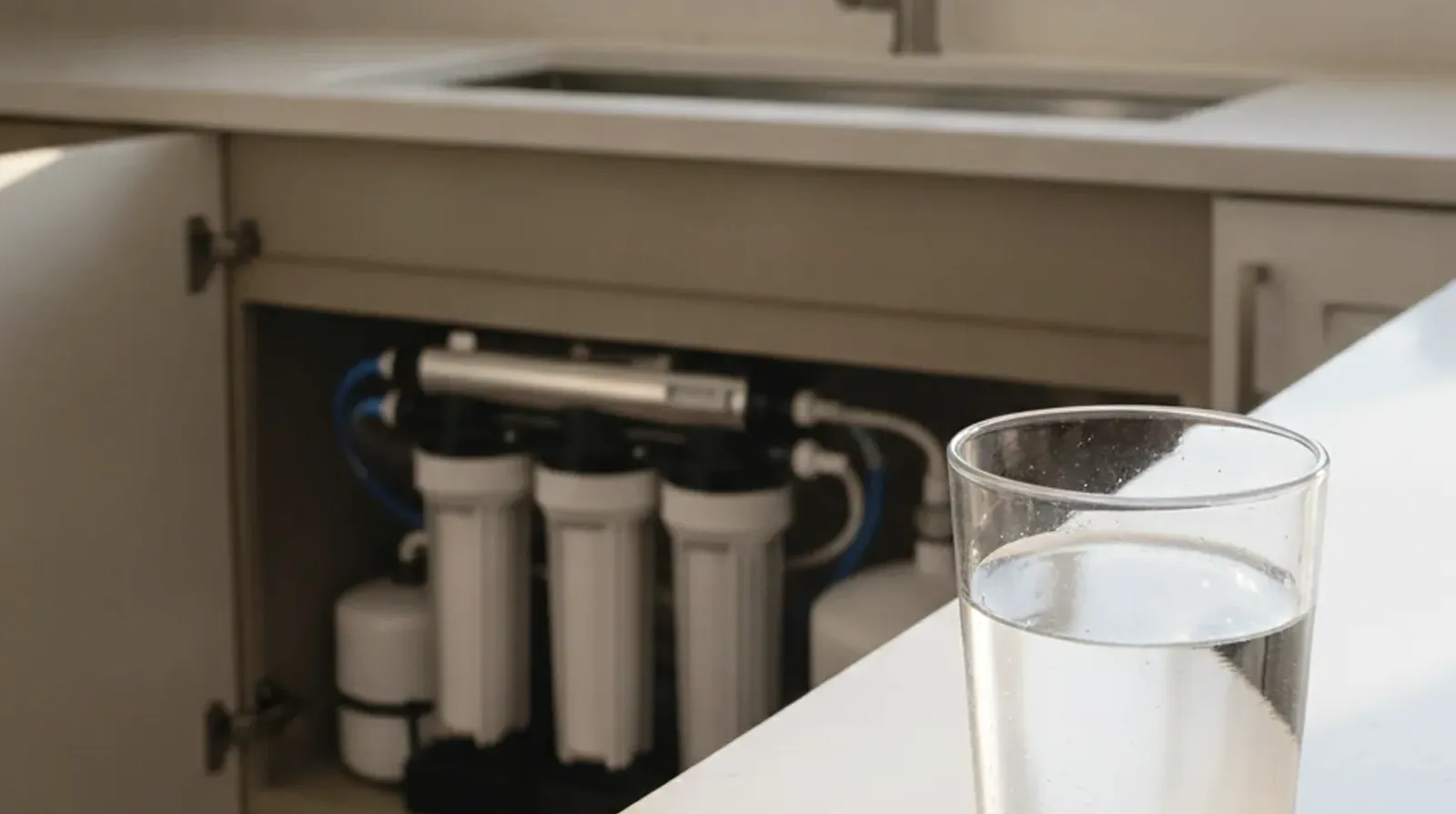
Point of use reverse osmosis units push supply water through a membrane. This process creates treated drinking water alongside a reject stream. The EPA notes that RO can lower the pH of treated water in treatment applications. Your actual home output depends on the feed supply, the membrane type, additional cartridges, operation, and maintenance habits.
Many under sink water filtration setups place a mineral cartridge after the main membrane. Depending on the product, that final stage might shift mineral content, pH, and overall flavor. Always review the manufacturer data for your specific cartridge instead of guessing at a universal dose. When shopping for reverse osmosis drinking water systems, treat remineralization as one optional feature among many. Adding minerals never expands the certified contaminant claims of the base unit.
Evaluating common alkaline options
| Method | Details to confirm | Ongoing upkeep |
|---|---|---|
| Ionizer | Incoming water requirements and actual treatment claims | Cleaning routines, electrode wear, and measured output |
| Reverse osmosis plus minerals | Certified reduction claims and what the final stage adds | Membrane changes, filter swaps, cartridge life, and reject water |
| Bottled products | Label details, source origin, and mineral breakdown | Repeated purchases and container management |
| Liquid drops or powder | Ingredient list, usage directions, and resulting pH level | Regular dosing without any implied filtration benefit |
Targeting a specific substance means starting with verified reduction data. NSF/ANSI 58 covers point of use reverse osmosis units, but many claims under that standard remain optional. Confirm the exact model and the precise certification. Treatment results must be checked constituent by constituent.
Deciding if added minerals make sense
Adding a mineral stage makes sense under certain conditions. You should prefer the flavor after tasting the treated output. The manufacturer needs to clearly state what the cartridge introduces and its replacement schedule. A current field measurement should confirm the system hits your chosen pH range. You also need to weigh the extra cartridge cost against a standard configuration.
Skipping the extra stage works well if you already enjoy the treated water. It also makes sense if the seller cannot document the cartridge function. Avoid paying extra just because a company uses the word alkaline as marketing shorthand.
Checking your starting water quality
Identify the utility serving your address first. Read its most recent consumer confidence report carefully. Utility data describes the public network during a reporting period, not your specific kitchen tap. Private wells require an independent testing plan. Our guide to San Diego tap water safety explains what those reports can and cannot answer.
An independent professional can visit your home to screen stated field parameters. That visit helps with equipment sizing and configuration choices. Ask exactly what they measure and which instruments they bring. A basic pH or hardness screen does not establish the presence of every constituent. Never treat a field screen as laboratory analysis. Compare these five factors before buying anything:
- Your treatment goal and whether it applies to one faucet or the entire house.
- The certified reduction claims for the exact model you are considering.
- The measured output and the specific conditions during that measurement.
- Replacement schedules for filters, membranes, or mineral cartridges.
- Production rates, reject water volume, warranty terms, and written quotes.
Our articles comparing reverse osmosis and whole house filtration and covering reverse osmosis cost factors help organize those comparisons. Residents near the coast can review our Oceanside water filtration page for localized context.
Frequently asked questions
Does alkaline water improve your health?
Never pick a treatment device to diagnose, prevent, or treat a medical condition. Discuss health concerns with a qualified clinician first. For equipment shopping, focus on taste, measured output, certified claims, and ownership costs.
Will reverse osmosis always deliver the same pH?
Output varies based on incoming water, system configuration, and equipment condition. Measure the installed unit directly if a specific pH matters to you.
Do mineral cartridges provide better filtration?
Remineralization happens after the main treatment stage. It does not prove additional contaminant removal. Verify those reduction claims separately for your exact model.
What does an in home water screen cover?
A field screen only addresses the parameters and methods the provider states. Use utility reports for system level data and a qualified laboratory for constituent specific results. You can request a free in home water test to begin that process.
Planning your next steps
A separately licensed professional should evaluate your plumbing whenever you notice taste issues or want verified treatment claims. They can size equipment correctly and confirm the measured output matches your goals. Call (858) 400-4647 and Clear Water Pros SD will connect you with an independent local water-treatment professional.