Know what's in your water.
Straightforward guides for San Diego homeowners. Pick up tips on testing water, reading your yearly quality report, catching hard water damage soon, and keeping your filtration system in good shape.
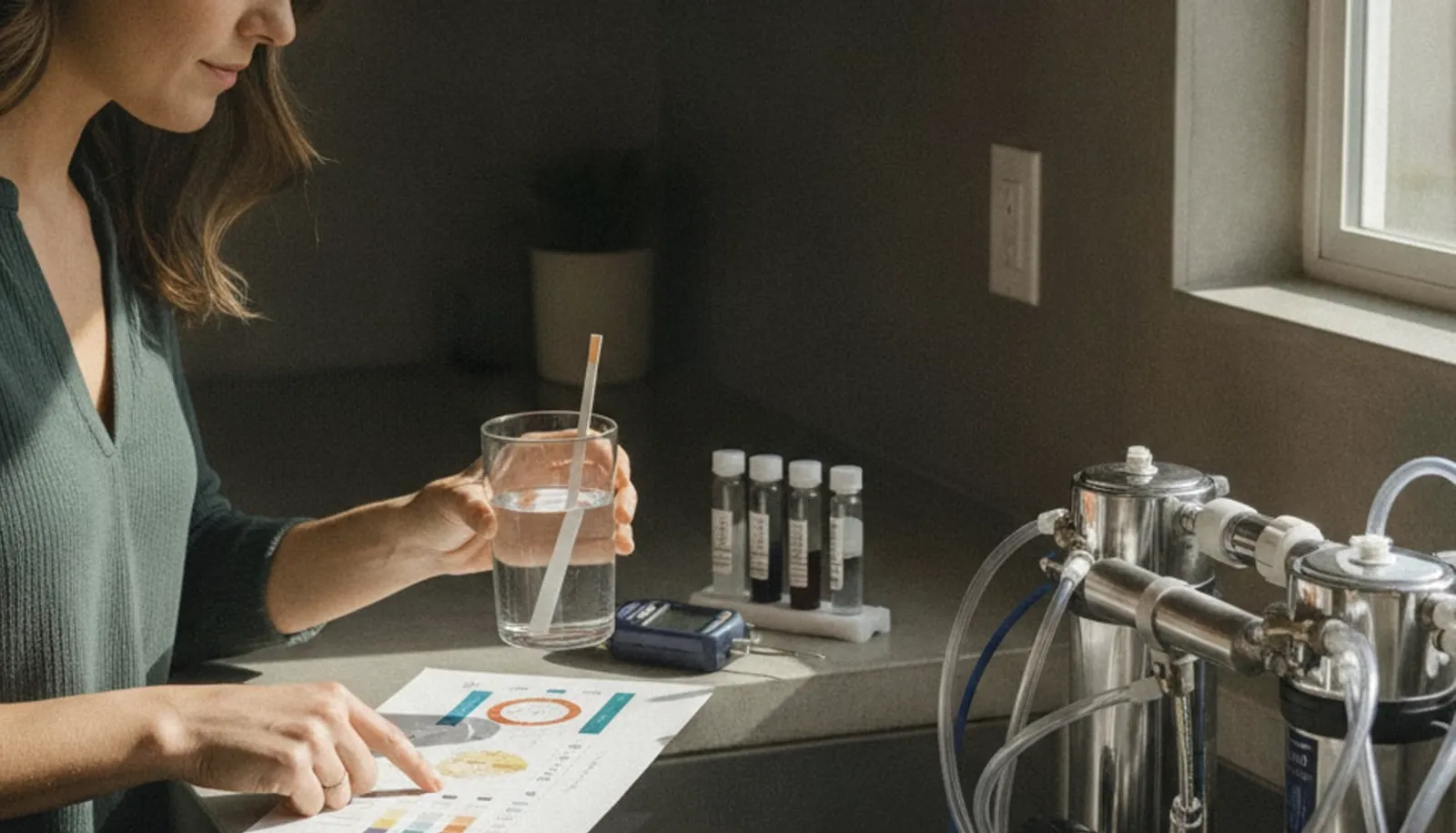
Which water quality jobs are safe to DIY?
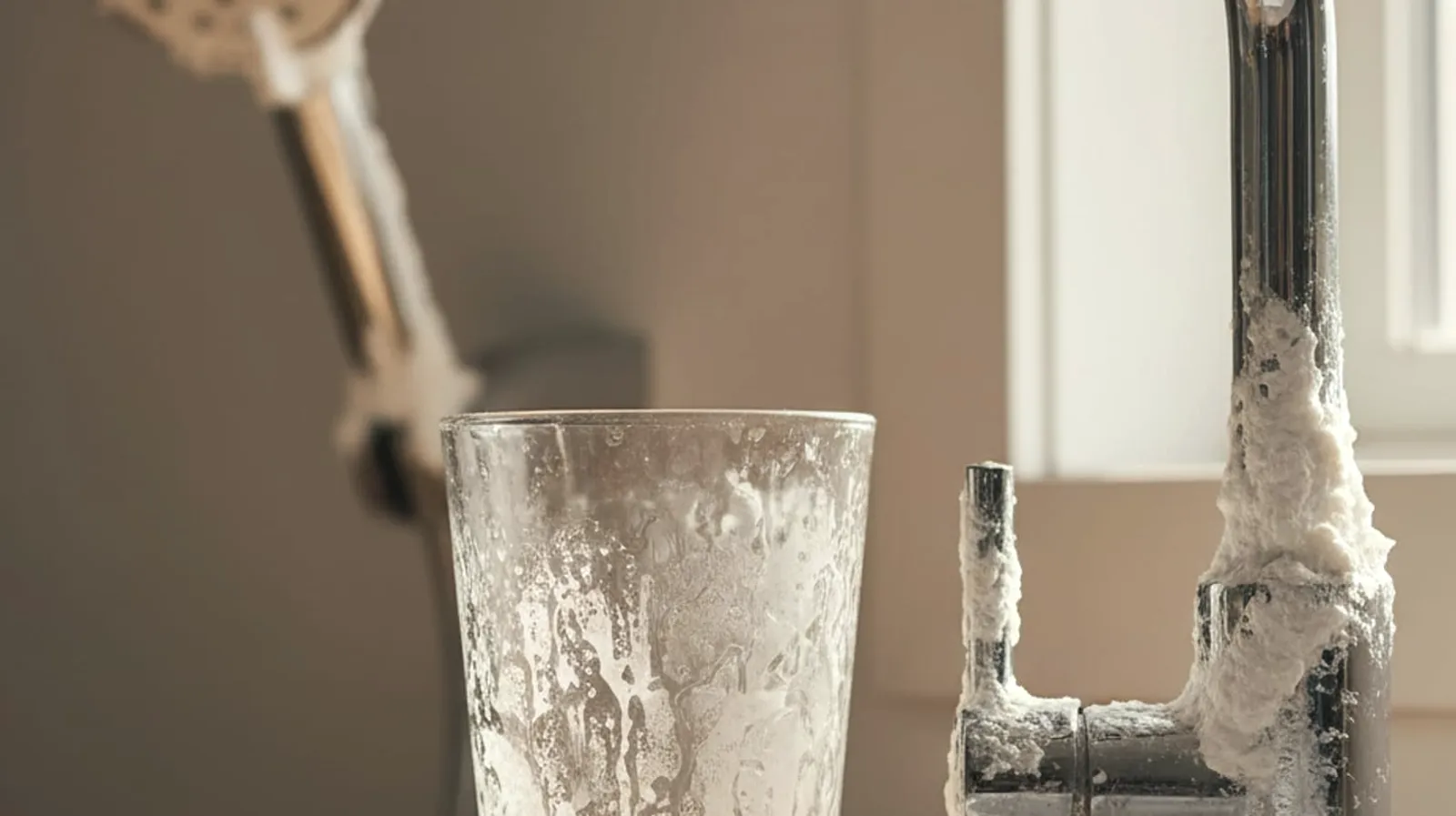
How to spot hard water in your home
Hard water minerals rarely announce themselves through scent or sight. Instead, look for scale, spots, or shifts in how soap foams. Other issues can mimic these clues, so run a proper hardness test before settling on any treatment option.
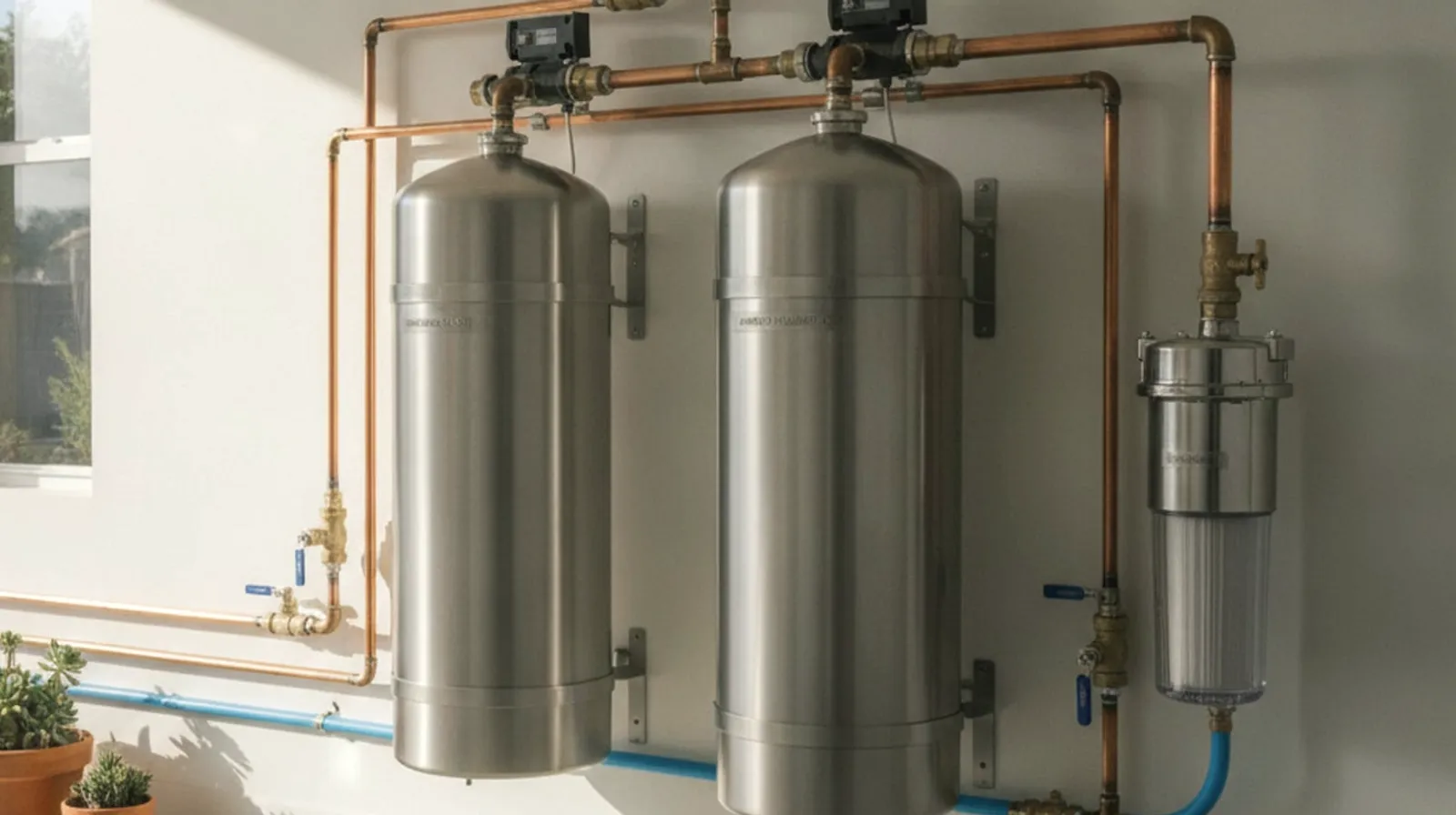
How a whole-house water filtration system works
A point-of-entry water-treatment setup sits on the line that feeds the home, so every fixture past it gets treated water. What gets removed depends on the specific gear, filter media, water flow, and what the unit is certified to reduce. Knowing this scope makes it easier to weigh a whole-house setup against a point-of-use unit attached to a single tap.
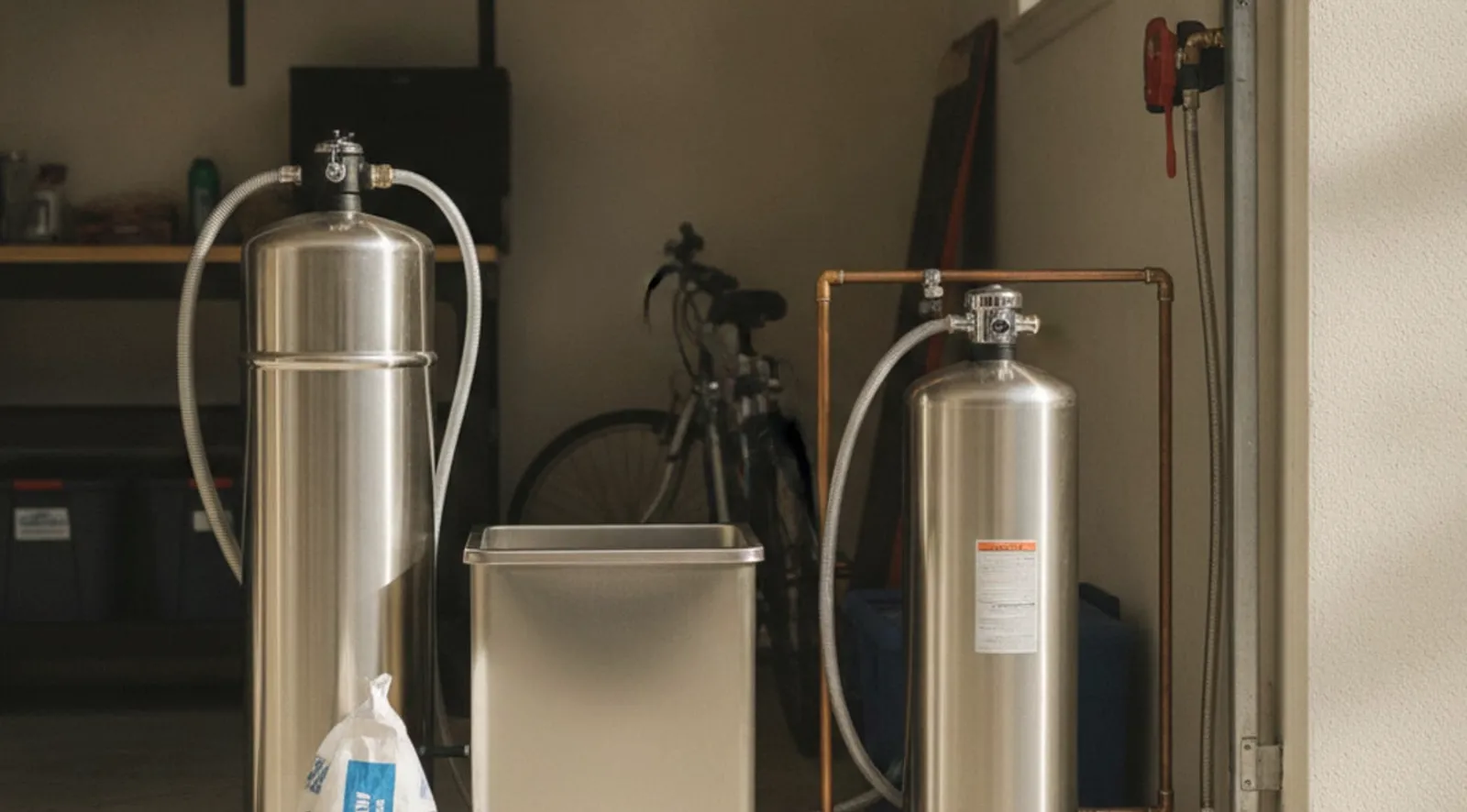
Salt-free conditioner vs salt softener, explained
Salt-free water conditioners and ion-exchange softeners don't tackle the same goal. A softener swaps out calcium and magnesium through ion exchange, lowering actual hardness. A salt-free conditioner leaves hardness ions in the water, so its value comes down to the specific model's scale-reduction claim, your local water conditions, and what you're trying to achieve.
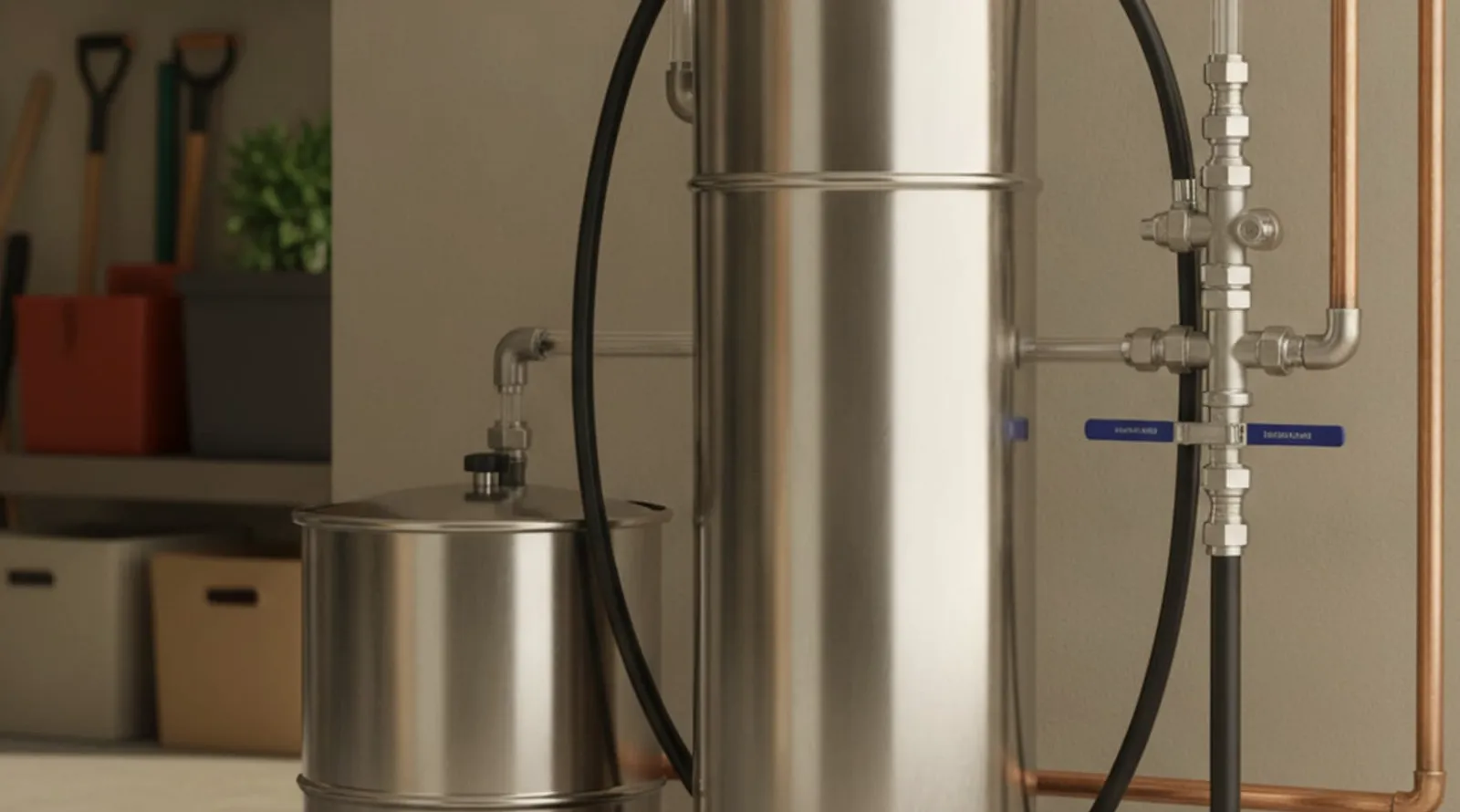
How a water softener works
An ion-exchange softener reduces the calcium and magnesium that cause hardness. Knowing the service and regeneration cycles helps you compare capacity and efficiency, and notice when test results no longer match the setting or expected operation.
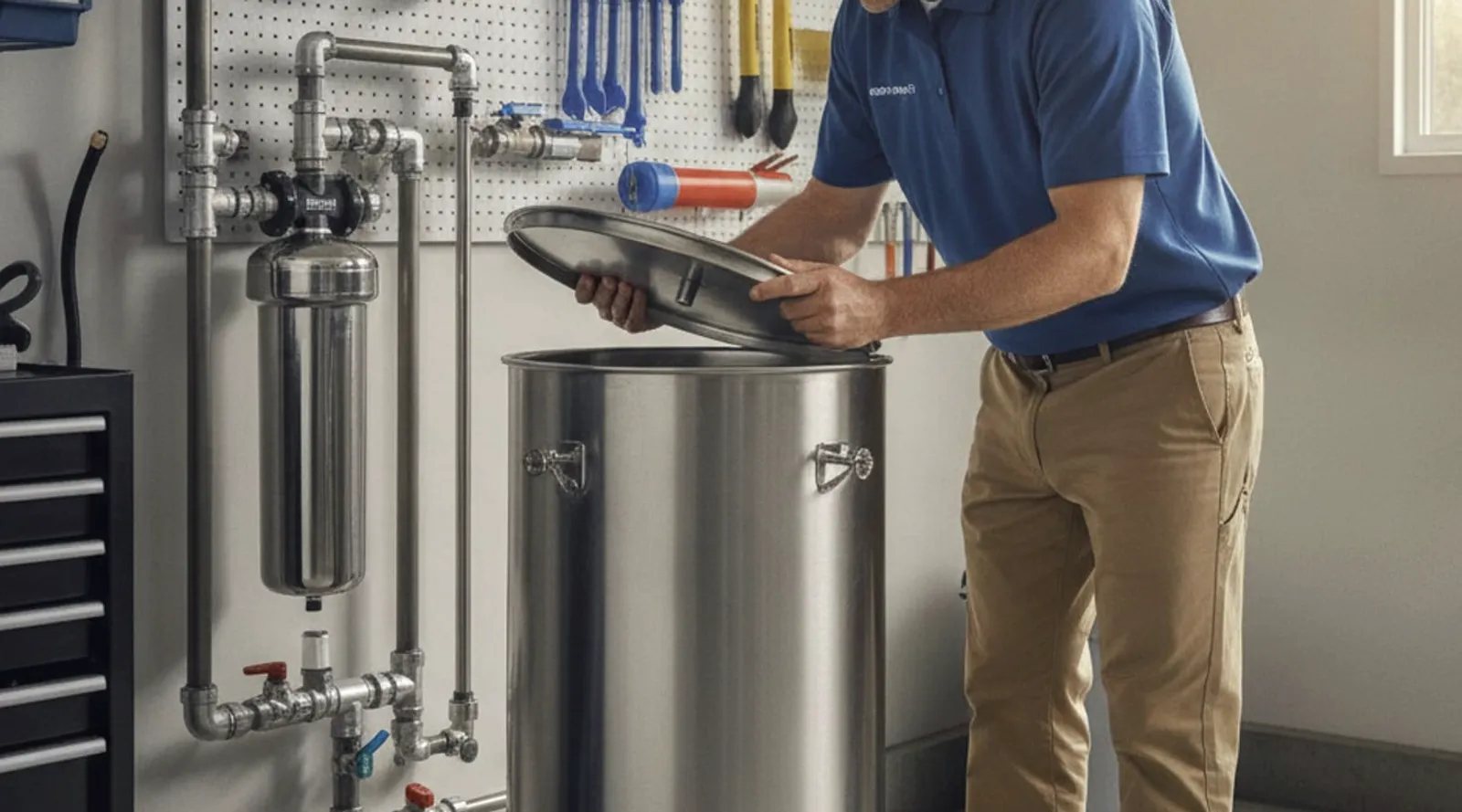
How to maintain a water softener
The maintenance a water softener calls for is shaped by the unit's model, the salt or regenerant used, local water conditions, and how much water the household runs through it. Routine inspections can catch low salt, salt bridges, leaks, or odd behavior, but the manufacturer's manual is the source for timing and method.
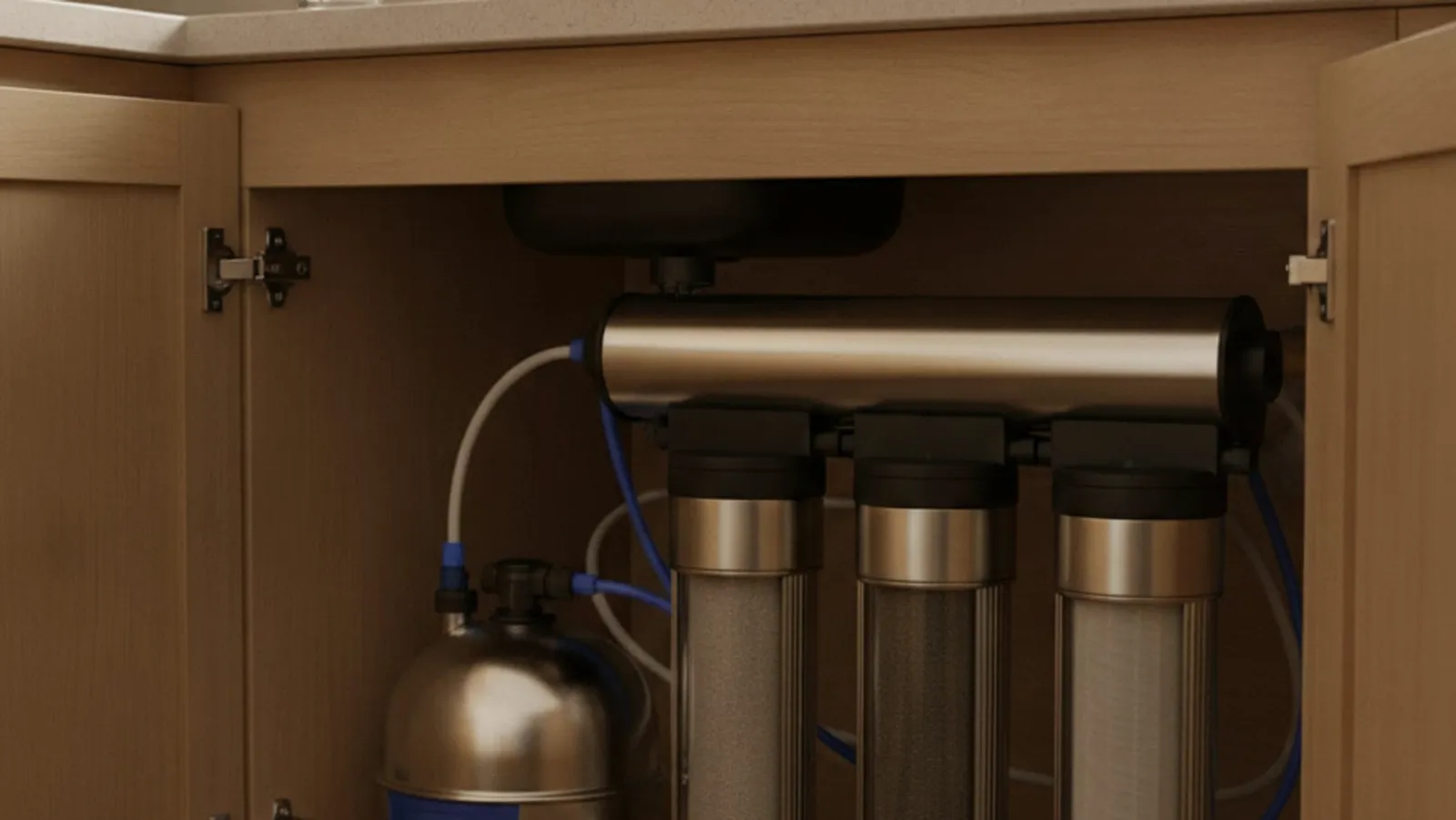
How reverse osmosis drinking water works
A point-of-use reverse-osmosis system pushes water through a membrane with pressure, splitting it into treated water you use and concentrate that flows to a drain. Each model handles reduction, efficiency, pretreatment, storage, and upkeep differently, so match the exact certified claims against the specific concern in your water.
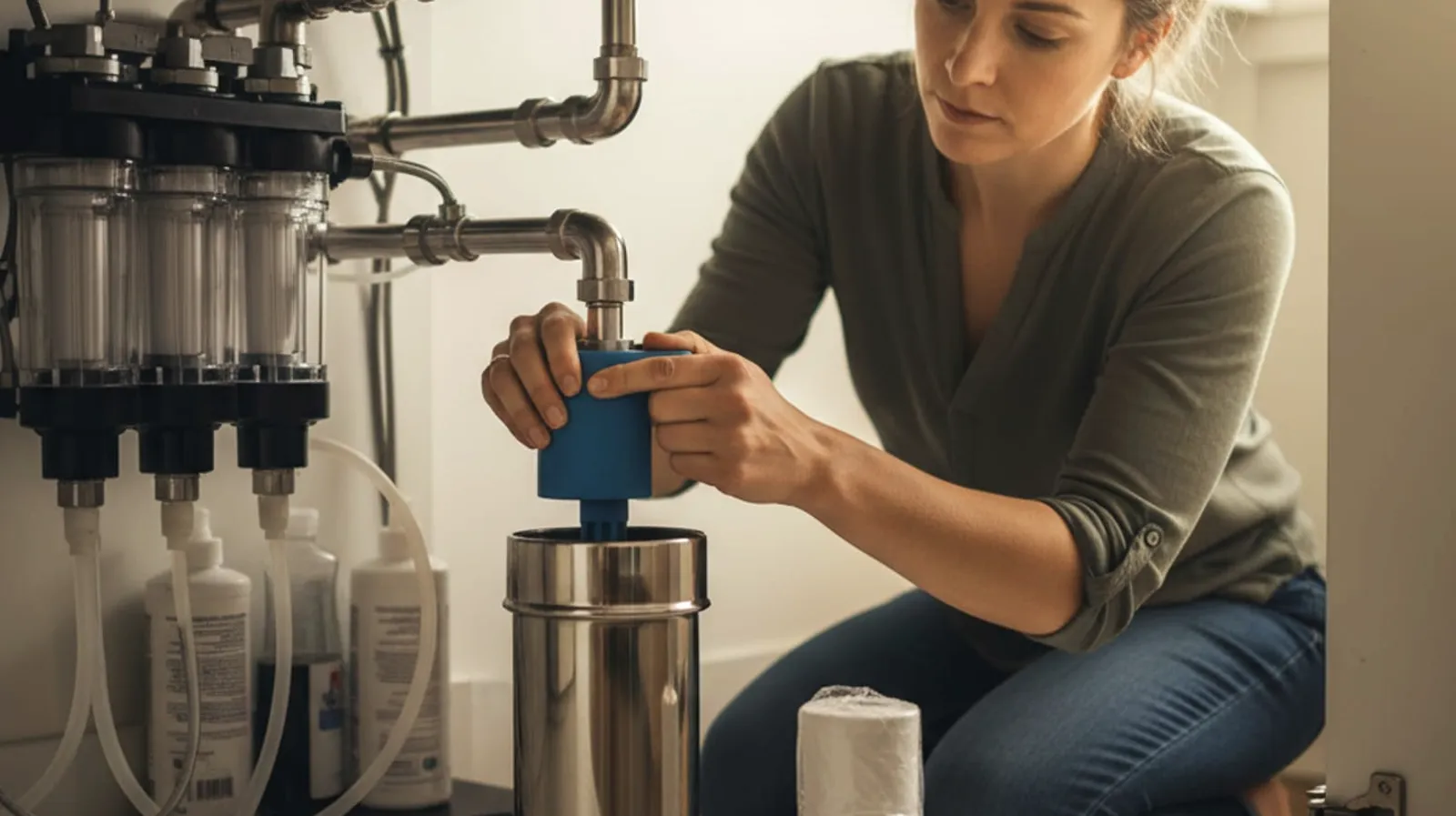
How to replace an under-sink water filter
Begin by locating your system's model and its current replacement guidelines. Cartridge style, shutoff steps and flushing needs vary across housings, twist-lock filters and reverse osmosis setups. A general tutorial can walk you through the basics, though the manufacturer's manual is what sets the specific parts and procedure for your particular unit.
Chlorine vs chloramine in your water
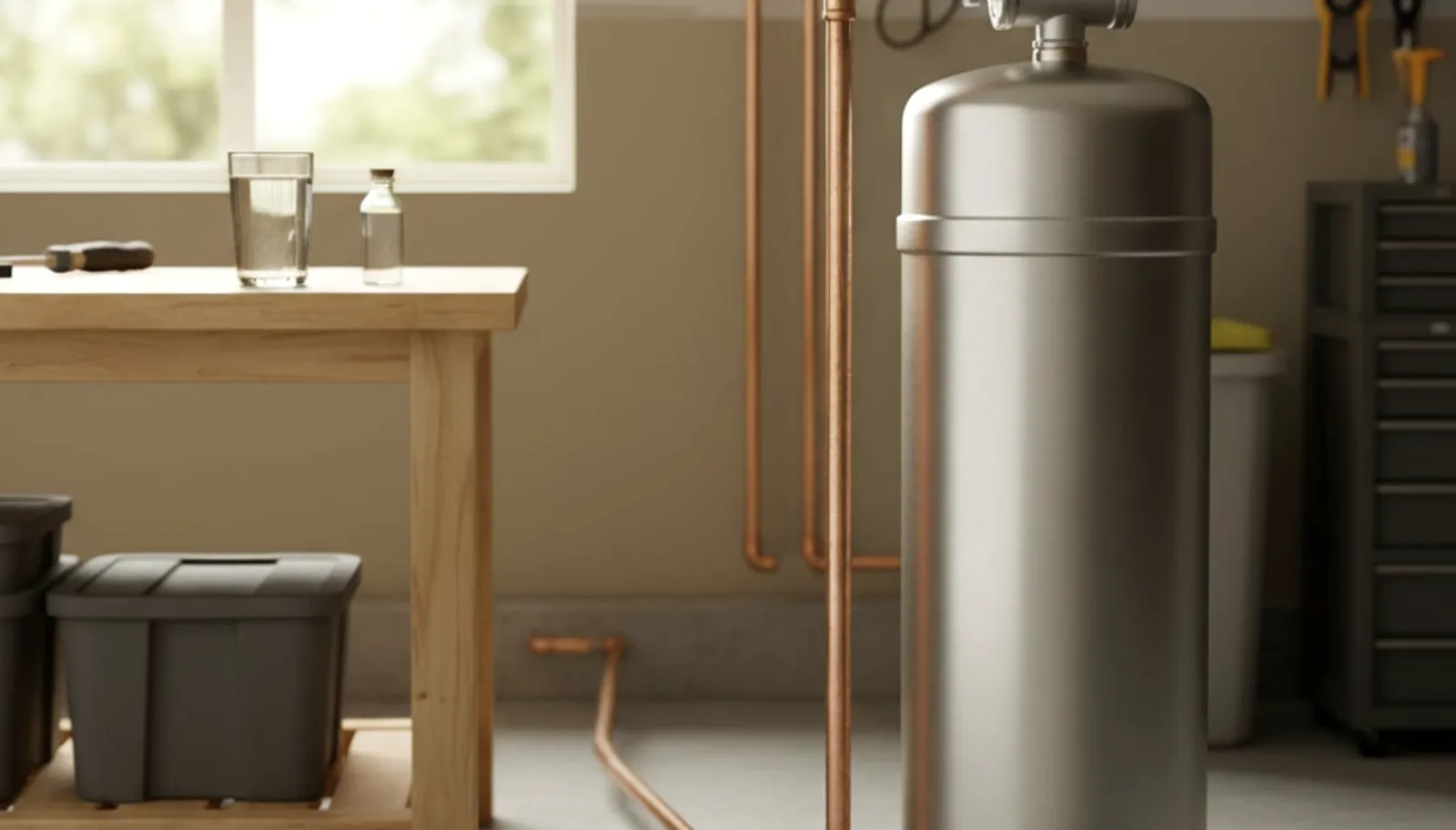
Water utilities may use either chlorine or chloramine to disinfect the supply, and each one can change how the water tastes and smells. Since practices vary by provider and can shift over time, find the disinfectant listed in the latest water-quality report or call the utility that serves your address before choosing treatment.
PFAS in drinking water, explained
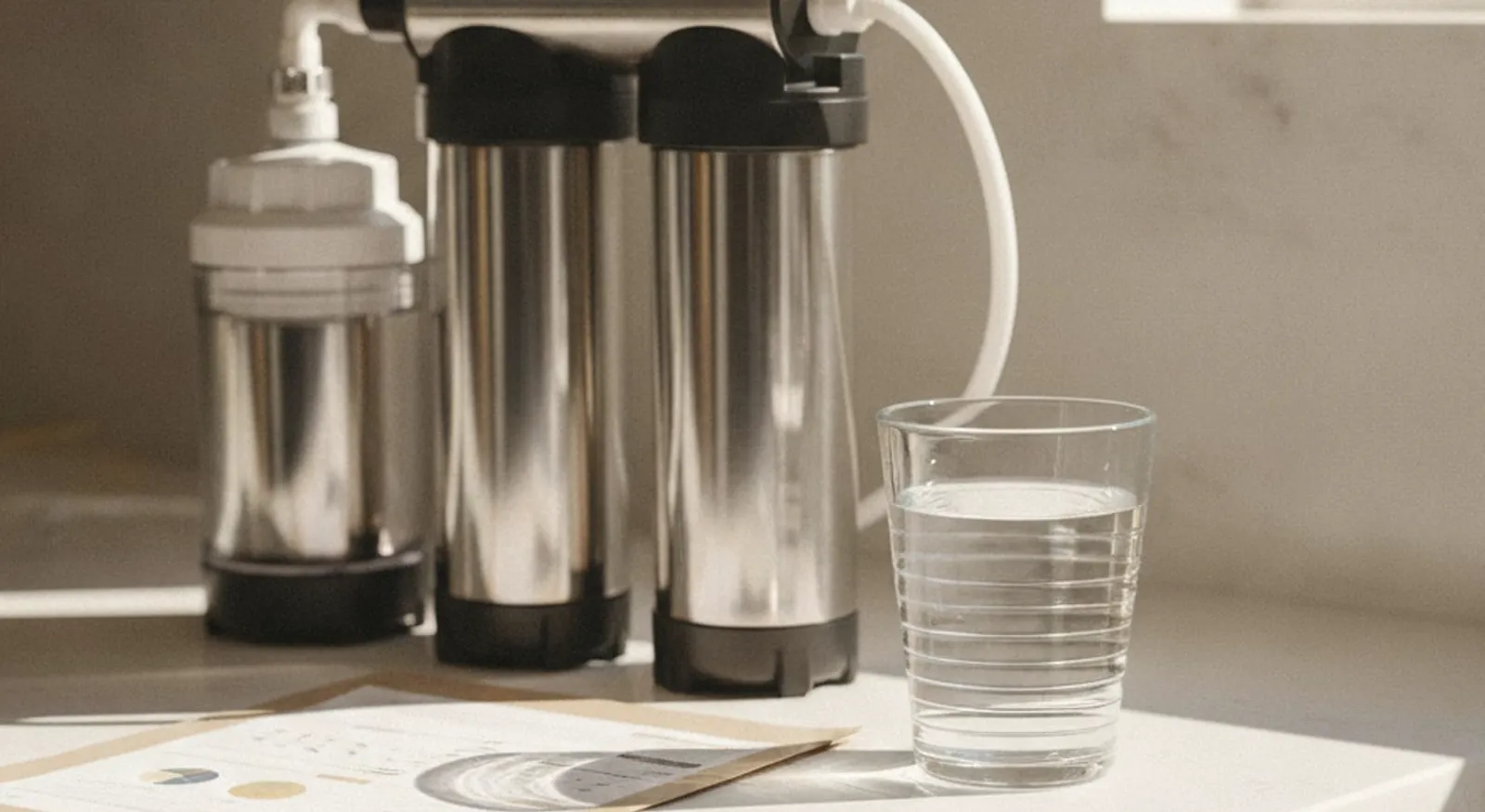
PFAS contamination concerns call for source-targeted information and the right kind of testing. You can't determine whether PFAS are present from a sample that simply looks clear or from a basic field screen, and naming a treatment technology by itself doesn't confirm it will reduce PFAS.
When should you stop and call a pro?
A few water issues go beyond a DIY fix. Watch for these signs that your system needs a closer look. Note the symptoms and equipment model so the provider can track down the cause.
- Water softener won't regenerate or salt isn't moving
Note the model, current settings, salt level, and any error code. Have a matched professional work through the manufacturer's manual to find the cause before swapping parts.
- White scale returning quickly after treatment
Test the water hardness right at the treated tap, then look over the unit's current settings, its upkeep and how it's running. Seeing scale return doesn't by itself mean the resin has worn out.
- Foul smell or taste from filtered water
If you think your water is contaminated, don't use the filter for drinking. Find a safe alternative source and get proper testing and qualified guidance. Smell alone won't tell you what's wrong.
- You want to know what's actually in your water
Before you book, find out what a free field screening includes. Contaminants tied to your health need proper lab work, since a basic screening won't give you a full safety picture.
- Staining on fixtures keeps coming back after treatment
Write down the stain's color and where it shows up, then test for the suspected cause. Match treatment to those results and the specific equipment's performance limits.
- Reduced pressure across the home after a whole-house filter is installed
Have the installer check pressure and flow before and after the unit, and review its setup and care. Don't pick replacement equipment from this symptom alone.
Which outside water quality sources are actually worth your time?
Water Quality Reports from the San Diego County Water Authority
Annual CCR water quality reports from every San Diego County water agency.
City of San Diego Public UtilitiesCity of San Diego Water Quality Report
Yearly water quality findings for residential customers in San Diego City.
U.S. Environmental Protection AgencyEPA Drinking Water Contaminant Information
The official EPA database lists regulated drinking water contaminants and health effects.
Water Quality AssociationWQA Water Quality Glossary
Everyday-language definitions of water treatment terms, offered by the Water Quality Association.
Want a pro to test your water for free?
Dial (858) 400-4647 to book a free in-home screening with an independent provider. Ask which measurements are included; lab analysis and other services may cost extra.