How to test your tap water at home
According to the City of San Diego, tap water in its distribution system typically measures around 16 grains per gallon, though the figure shifts by neighborhood and seasonal demand. A store-bought test strip can give a fast screening reading for whatever parameters that particular kit covers, yet it cannot stand in for a proper lab analysis or confirm that water is safe to drink.
What you'll learn
- Steps for following a home test kit's instructions for the parameters named on the package
- Reading a hardness result and matching it against your water utility's latest consumer confidence report
- A quick lather test that gives an extra hint about how hard your water is
- The reasons an at-home field screen will not catch every contaminant or prove water is safe
- When to turn to a state-certified laboratory or explore treatment goals with a provider
Step by step
- Look at the packaging to verify which parameters the kit tests for, check the expiration date, and review any prep steps.
- Draw cold water from the tap into the container the kit calls for, and follow the included directions on flushing the line and handling the sample.
- Dip and hold the strip for the exact number of seconds the manufacturer lists, then wait the full development time before reading.
- Hold the strip next to the color chart in good lighting, write down the reading along with the units, the date, and which tap you used.
- Match your result against the most recent water-quality report from the utility that serves your address; figures from the City of San Diego should not be applied to a different system or a private well.
- If you think a contaminant exists that your kit doesn't test for, send a sample to a state-certified laboratory and follow the advice of your local health department.
Store-bought strips and a complimentary in-home field screen only test for what their methods and chemistry are built to detect. They cannot confirm the absence of PFAS, lead, arsenic, bacteria, or other contaminants unless that specific test was designed and validated for it. Find out exactly what is being measured, and turn to proper lab testing whenever the concern is safety or a particular contaminant.
Rather have a pro handle it?
Reach out to a separately licensed water-treatment pro in San Diego County. Inquire about the free in-home water test.
Keep learning.
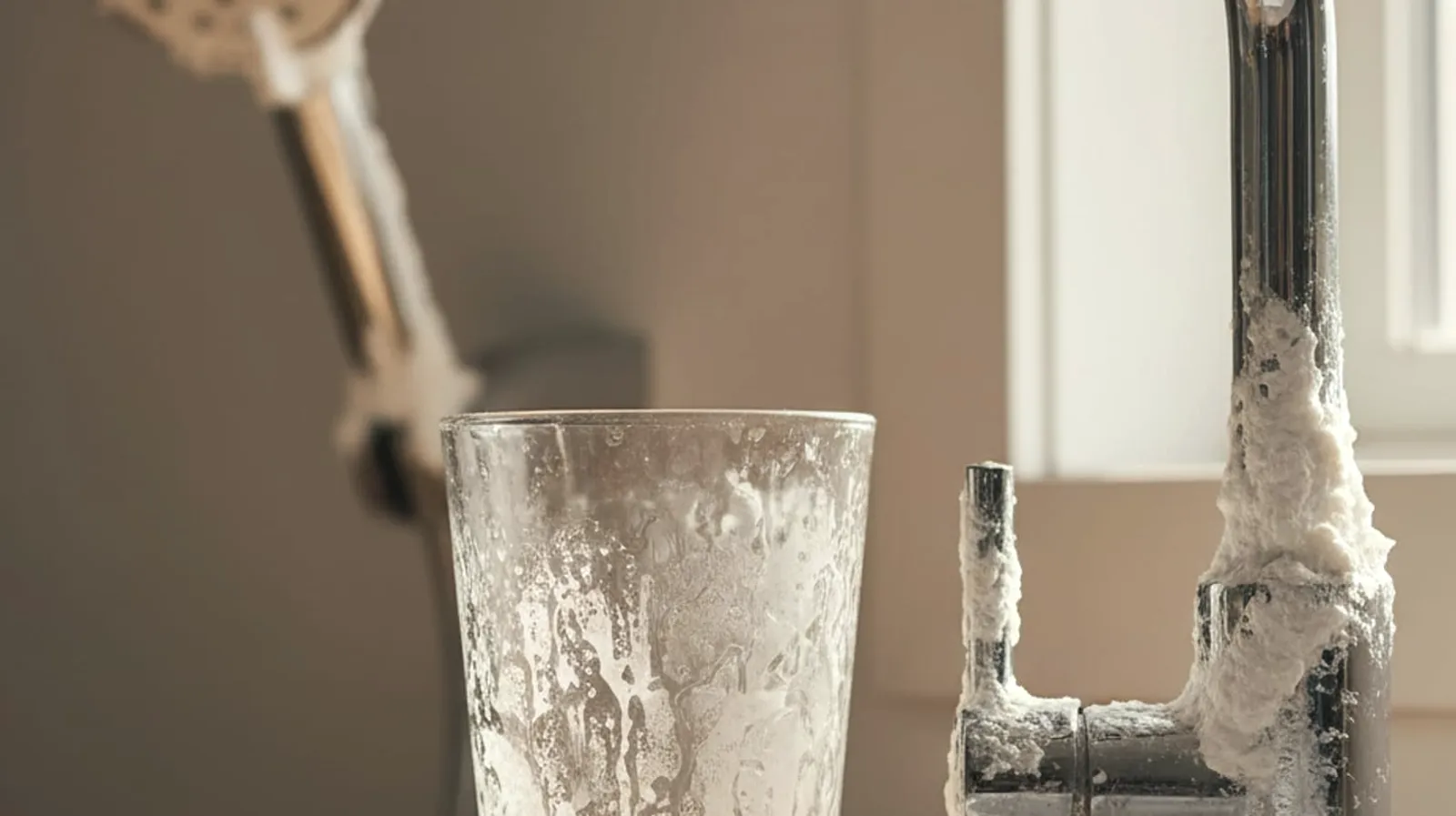
How to spot hard water in your home
Hard water minerals rarely announce themselves through scent or sight. Instead, look for scale, spots, or shifts in how soap foams. Other issues can mimic these clues, so run a proper hardness test before settling on any treatment option.
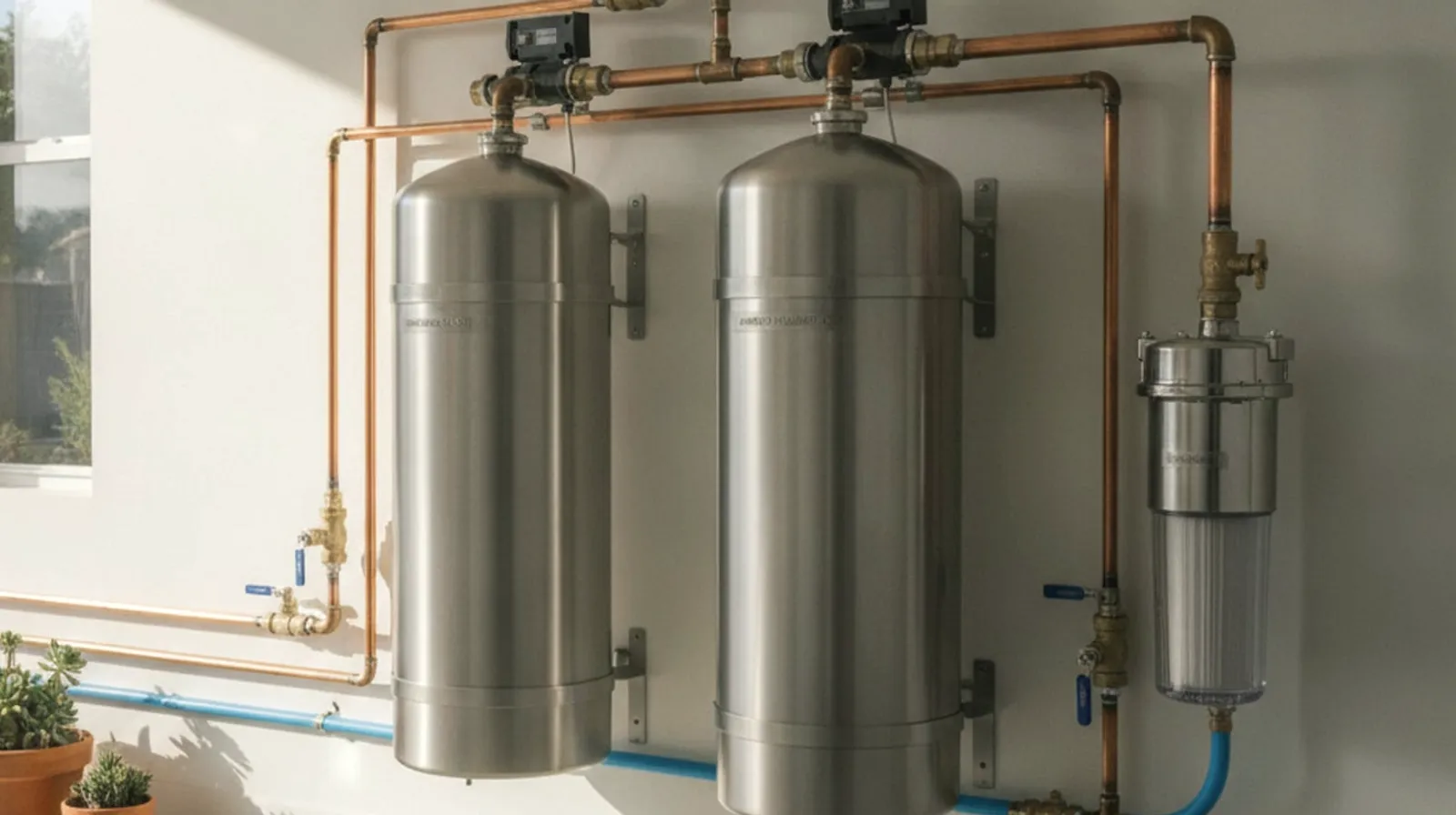
How a whole-house water filtration system works
A point-of-entry water-treatment setup sits on the line that feeds the home, so every fixture past it gets treated water. What gets removed depends on the specific gear, filter media, water flow, and what the unit is certified to reduce. Knowing this scope makes it easier to weigh a whole-house setup against a point-of-use unit attached to a single tap.
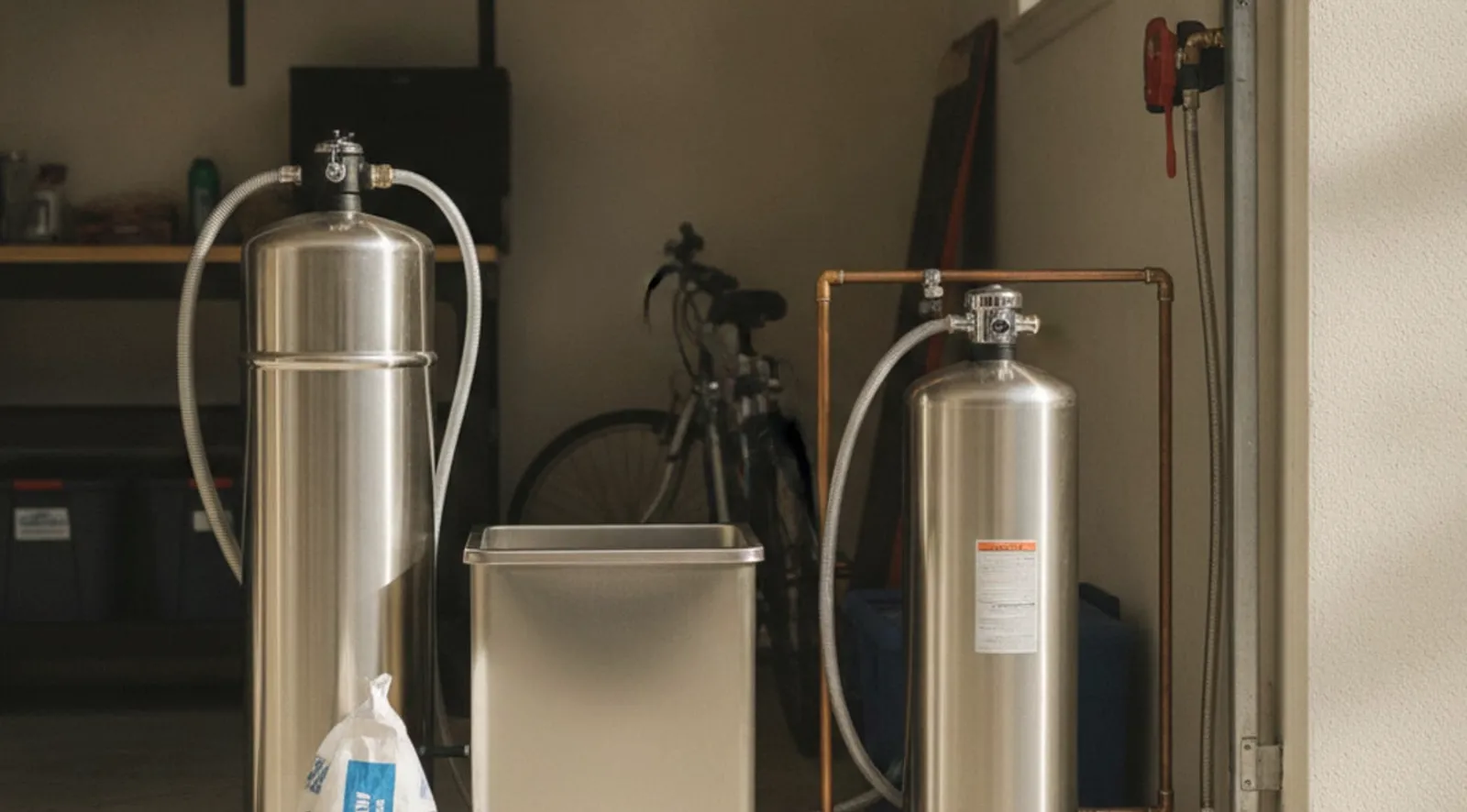
Salt-free conditioner vs salt softener, explained
Salt-free water conditioners and ion-exchange softeners don't tackle the same goal. A softener swaps out calcium and magnesium through ion exchange, lowering actual hardness. A salt-free conditioner leaves hardness ions in the water, so its value comes down to the specific model's scale-reduction claim, your local water conditions, and what you're trying to achieve.