How a whole-house water filtration system works
A point-of-entry water-treatment setup sits on the line that feeds the home, so every fixture past it gets treated water. What gets removed depends on the specific gear, filter media, water flow, and what the unit is certified to reduce. Knowing this scope makes it easier to weigh a whole-house setup against a point-of-use unit attached to a single tap.
What you'll learn
- How a point-of-entry setup differs from a point-of-use unit
- Matching treatment stages to the specific water issues you've found
- The separate jobs sediment and carbon filter media can play
- Why flow rate, capacity, install needs, and precise certified claims all count
- How upkeep schedules and media changes from the maker shape the cost of ownership
Step by step
- Figure out which fixtures sit after the planned install spot and decide if any lines, like irrigation, should stay on untreated water.
- Pull your water utility's latest report and run appropriate tests so the system targets real concerns.
- Match every proposed stage against the exact model's certified reduction list; one technology won't catch every contaminant.
- Check the unit's rated flow and capacity against your home's demand and the install environment.
- Go over bypass, drain, pressure, permit, and install specs with the licensed provider and the maker's instructions.
- Stick to the model's exact maintenance plan and fold in replacement media, water use, and service calls when you total ownership cost.
If chloramine worries you, start by checking which disinfectant your water utility reports right now. Then look at that exact system's independent certification for chloramine reduction, its rated flow, capacity, and how often media needs swapping. A general statement about carbon media won't tell you how a specific model actually performs.
Rather have a pro handle it?
Reach out to a separately licensed water-treatment pro in San Diego County. Inquire about the free in-home water test.
Keep learning.
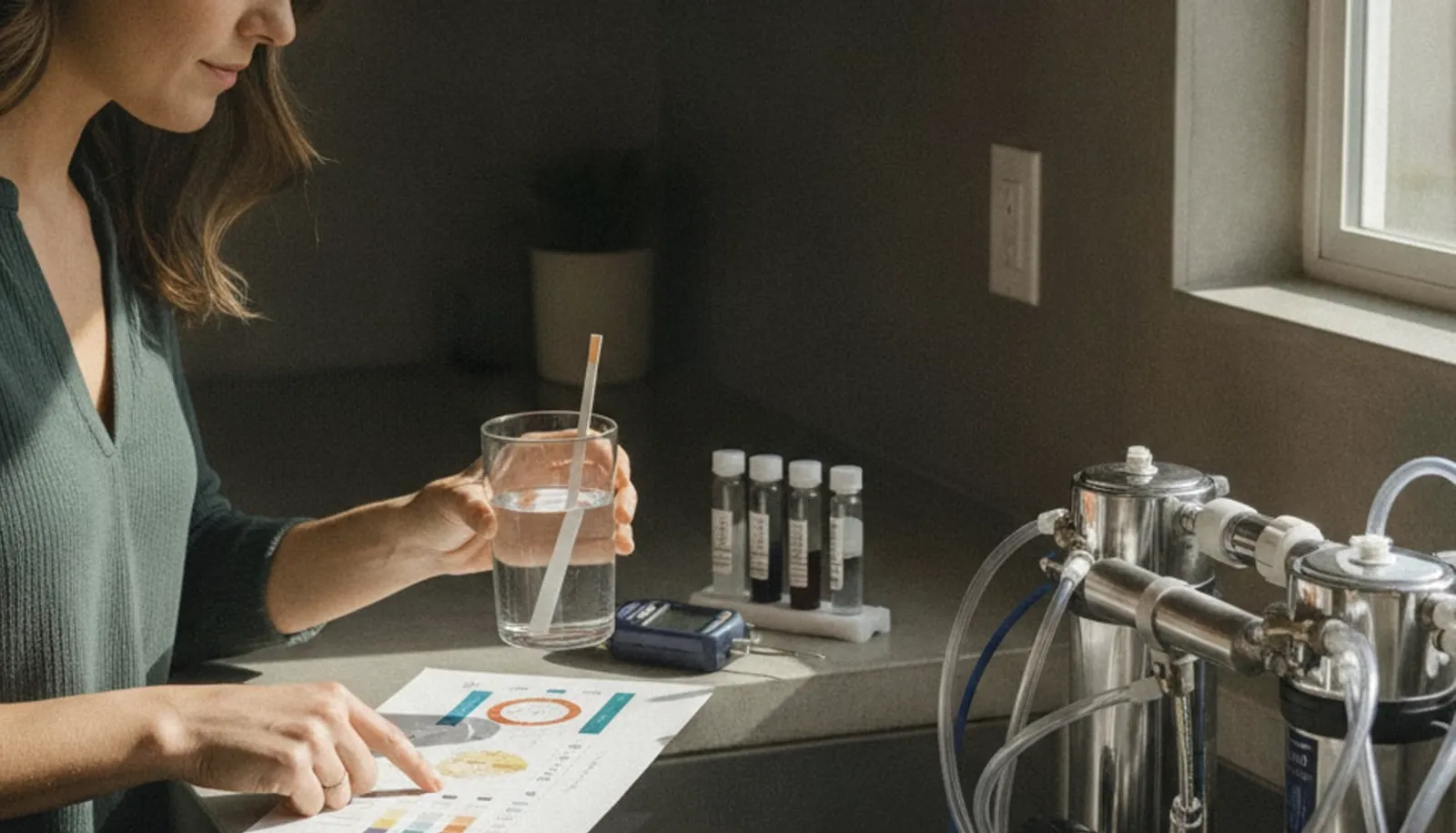
How to test your tap water at home
According to the City of San Diego, tap water in its distribution system typically measures around 16 grains per gallon, though the figure shifts by neighborhood and seasonal demand. A store-bought test strip can give a fast screening reading for whatever parameters that particular kit covers, yet it cannot stand in for a proper lab analysis or confirm that water is safe to drink.
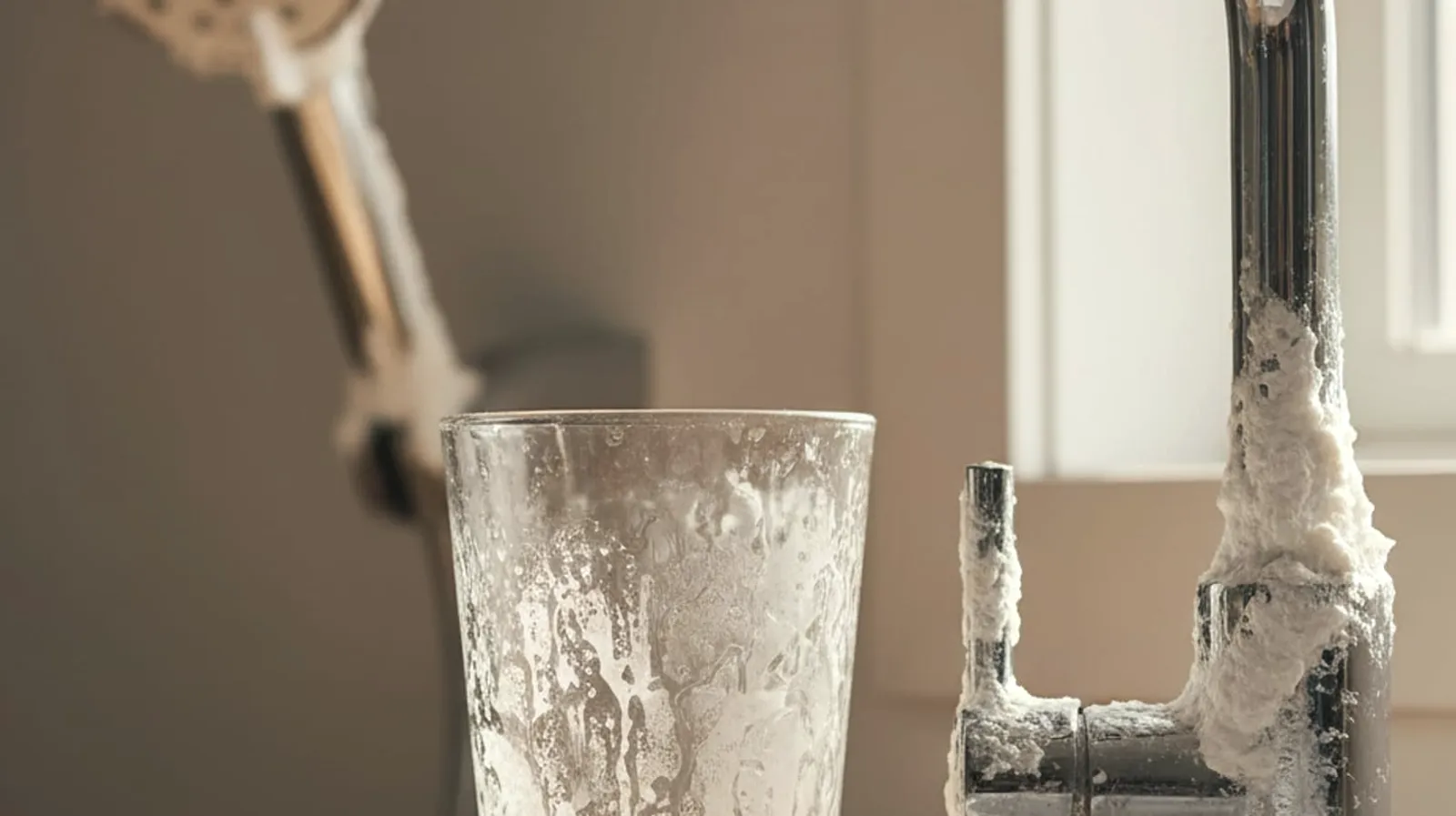
How to spot hard water in your home
Hard water minerals rarely announce themselves through scent or sight. Instead, look for scale, spots, or shifts in how soap foams. Other issues can mimic these clues, so run a proper hardness test before settling on any treatment option.
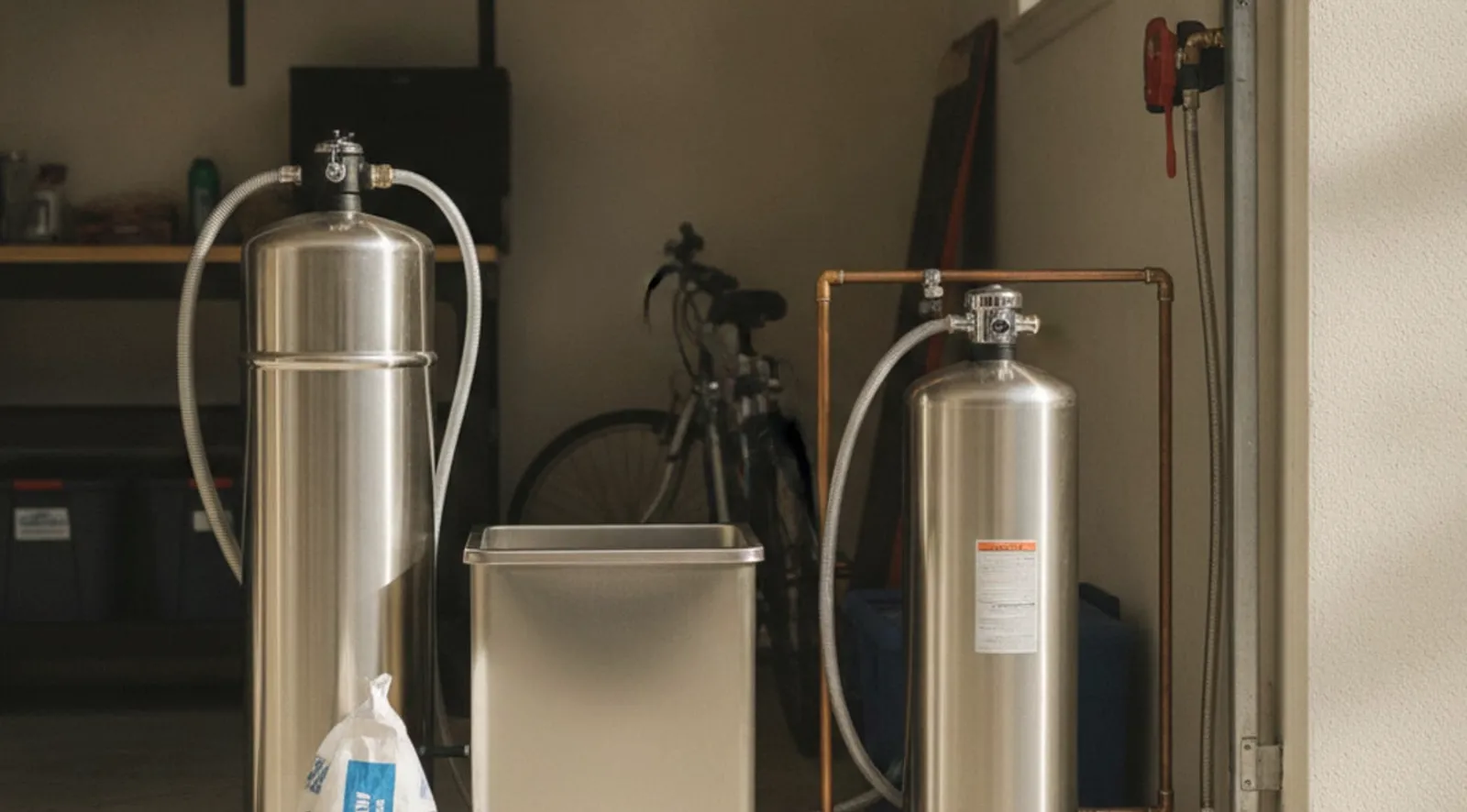
Salt-free conditioner vs salt softener, explained
Salt-free water conditioners and ion-exchange softeners don't tackle the same goal. A softener swaps out calcium and magnesium through ion exchange, lowering actual hardness. A salt-free conditioner leaves hardness ions in the water, so its value comes down to the specific model's scale-reduction claim, your local water conditions, and what you're trying to achieve.