How to replace an under-sink water filter
Begin by locating your system's model and its current replacement guidelines. Cartridge style, shutoff steps and flushing needs vary across housings, twist-lock filters and reverse osmosis setups. A general tutorial can walk you through the basics, though the manufacturer's manual is what sets the specific parts and procedure for your particular unit.
What you'll learn
- Before opening the housing, confirm the system model and the matching replacement cartridge.
- Review the manufacturer's replacement interval and the cartridge's capacity
- Locate the supply shutoff and pressure-relief procedure for this model
- Examine the housing and seals, then follow the flushing instructions in the manual
- Log the install date and check for leaks after the swap
Step by step
- Start with the unit's label and the owner's manual. Verify the exact part number, check what certified reduction claims apply, and make sure the swap falls within owner-level service.
- Per the manual, shut off the feed line and bleed off any held pressure before you open a housing. Reverse osmosis tanks and electric models may need extra steps. If you can't tell which valve does what, pause the work.
- Place a towel and tray beneath the filter. Pull the cartridge using whatever release method the model calls for; don't force a stuck housing or grab a twist-lock cartridge with a wrench.
- Inspect the O-rings, gaskets, and housing body for wear or cracks. Clean or sanitize only as the maker directs, with their approved materials. Replace any damaged part before restoring water.
- Install the correct cartridge, reassemble per the instructions, and restore flow slowly. Check the fittings and housing seam for leaks. If one won't stop, shut the system down and contact a matched pro.
- Run the flush cycle for the exact gallons or minutes your model calls for. Jot down today's date and pencil in the next swap using the maker's service life or capacity figure.
A reminder on your calendar doesn't prove the filter is still reducing a specific contaminant. Stick to the exact model's capacity, operating limits and replacement instructions. If your water concern calls for lab testing, swapping the cartridge alone won't confirm treatment performance.
Rather have a pro handle it?
Reach out to a separately licensed water-treatment pro in San Diego County. Inquire about the free in-home water test.
Keep learning.
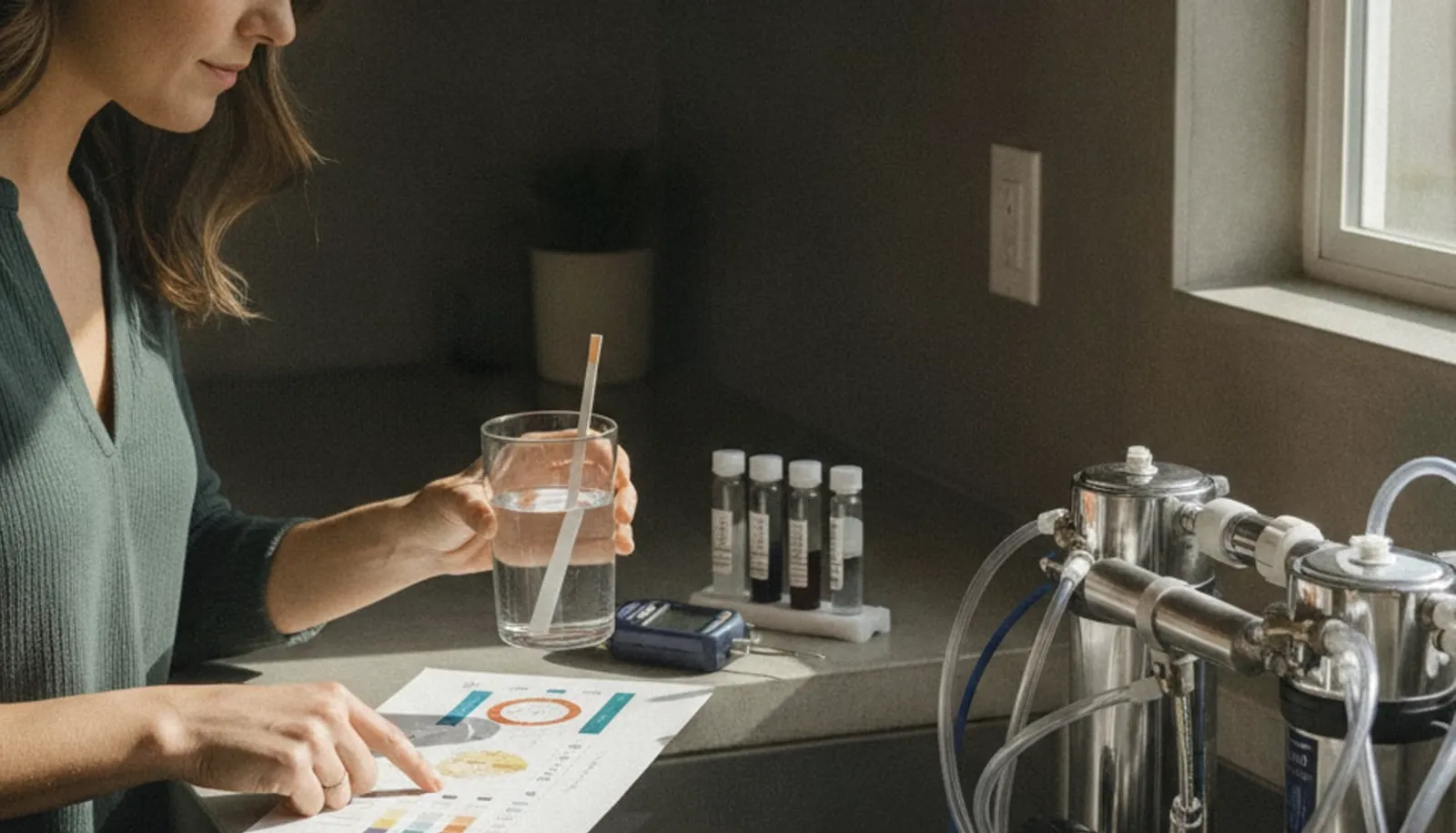
How to test your tap water at home
According to the City of San Diego, tap water in its distribution system typically measures around 16 grains per gallon, though the figure shifts by neighborhood and seasonal demand. A store-bought test strip can give a fast screening reading for whatever parameters that particular kit covers, yet it cannot stand in for a proper lab analysis or confirm that water is safe to drink.
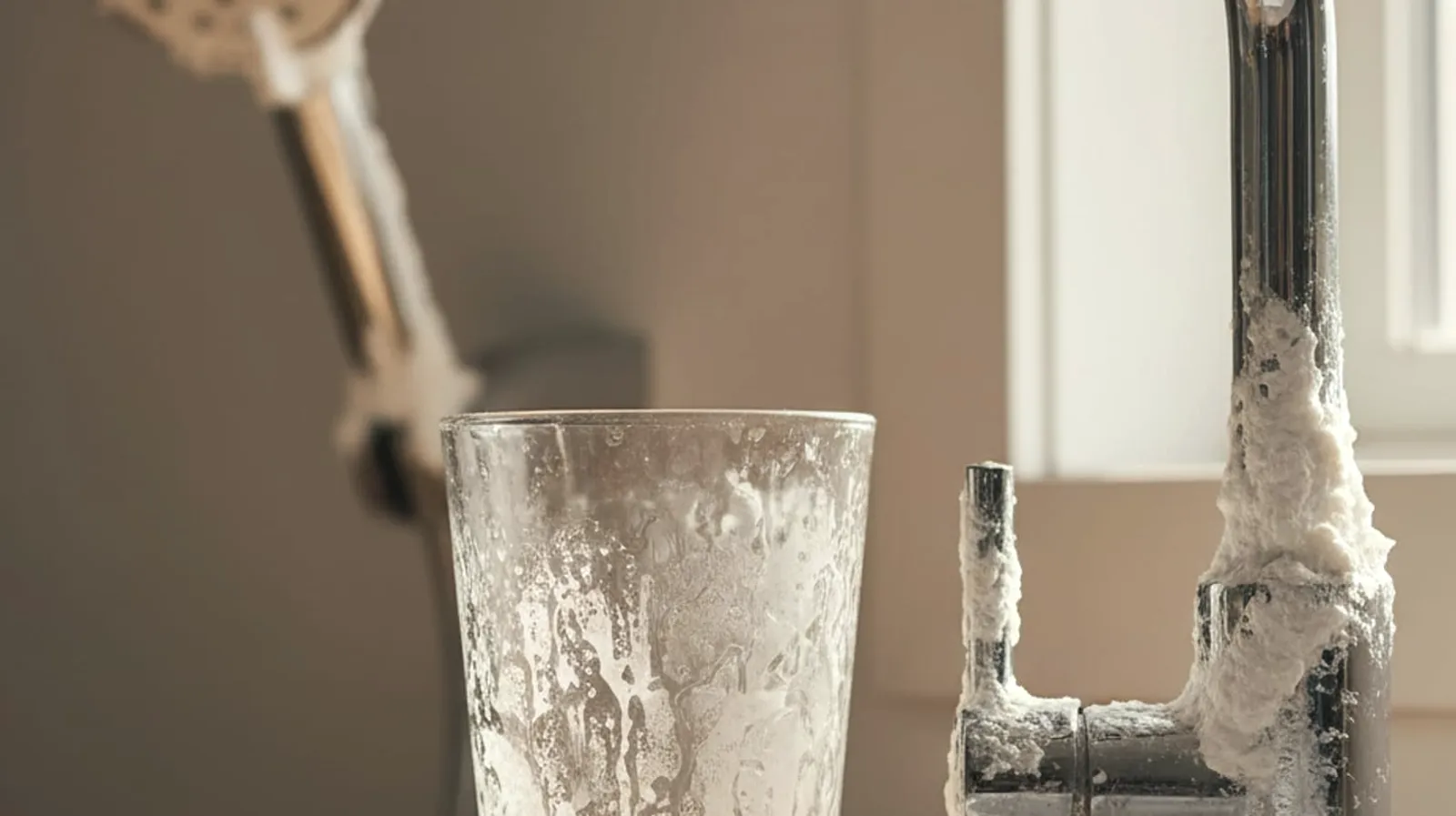
How to spot hard water in your home
Hard water minerals rarely announce themselves through scent or sight. Instead, look for scale, spots, or shifts in how soap foams. Other issues can mimic these clues, so run a proper hardness test before settling on any treatment option.
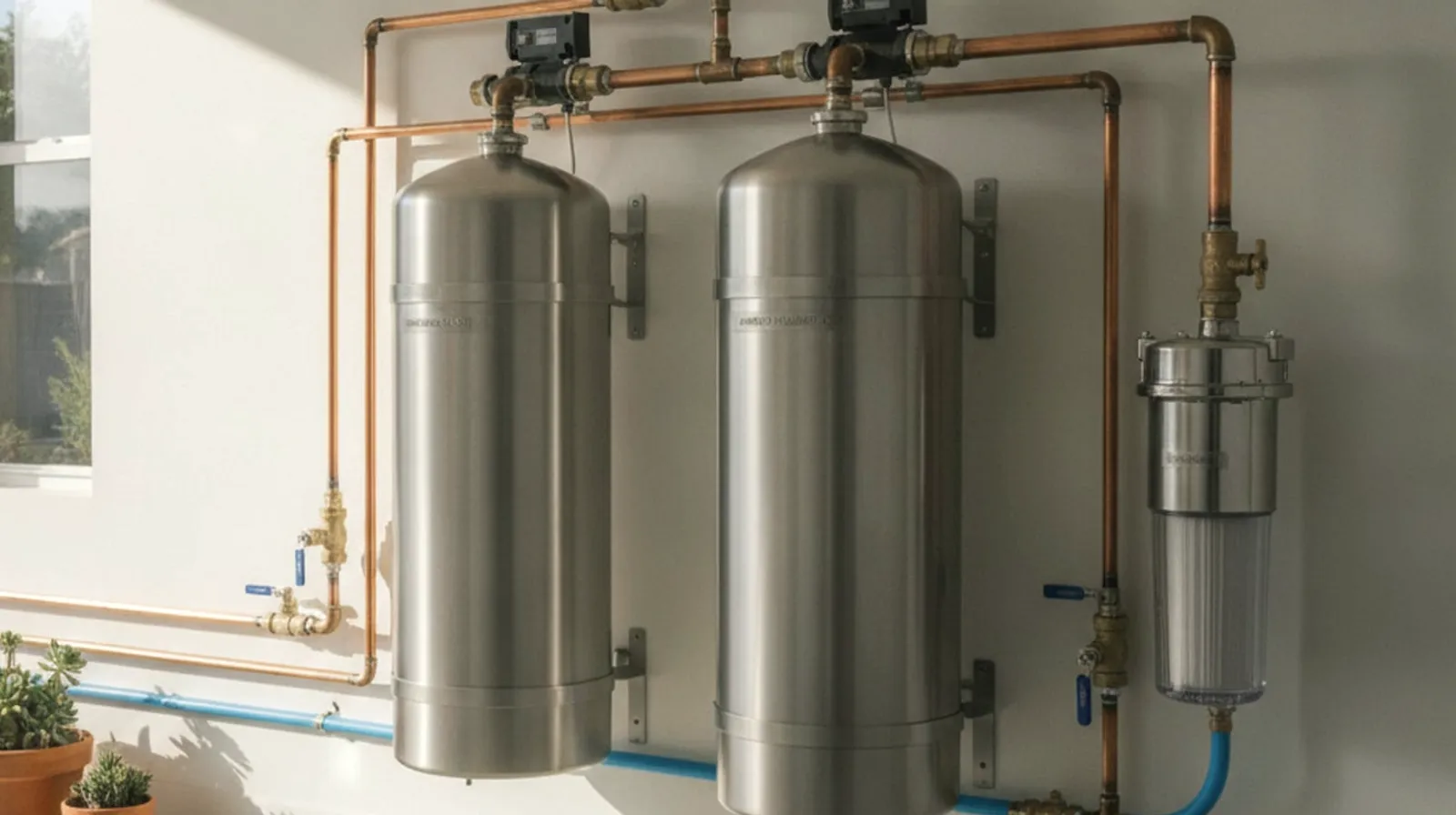
How a whole-house water filtration system works
A point-of-entry water-treatment setup sits on the line that feeds the home, so every fixture past it gets treated water. What gets removed depends on the specific gear, filter media, water flow, and what the unit is certified to reduce. Knowing this scope makes it easier to weigh a whole-house setup against a point-of-use unit attached to a single tap.