How a water softener works
An ion-exchange softener reduces the calcium and magnesium that cause hardness. Knowing the service and regeneration cycles helps you compare capacity and efficiency, and notice when test results no longer match the setting or expected operation.
What you'll learn
- What ion exchange does to calcium and magnesium hardness
- What happens during a regeneration cycle
- Why test hardness and household usage shape the right size and setting
- How the bypass valve works during service or shutoff
- Why testing water before and after the unit helps check performance
Step by step
- In service mode, water moves through the resin tank following the flow path built into your specific unit.
- Resin beads swap hardness ions like calcium and magnesium for the ions loaded during regeneration.
- Treated water then moves on to the fixtures plumbed downstream of the softener.
- When the resin's working capacity runs low, the control valve schedules or triggers regeneration based on the model and its programmed settings.
- During regeneration, brine recharges the resin while the released hardness minerals drain out through the configured drain line.
- Once the cycle finishes, test your water's hardness as the manual directs, then check that result against the unit's settings and rated capacity.
If hardness creeps back between cycles, a few things might be behind it: salt level, settings, water demand, the bypass position, fouling, or worn parts. Look through the manual and make simple observations, but don't crack open anything under pressure. A licensed pro can diagnose the unit before any parts get swapped out.
Rather have a pro handle it?
Reach out to a separately licensed water-treatment pro in San Diego County. Inquire about the free in-home water test.
Keep learning.
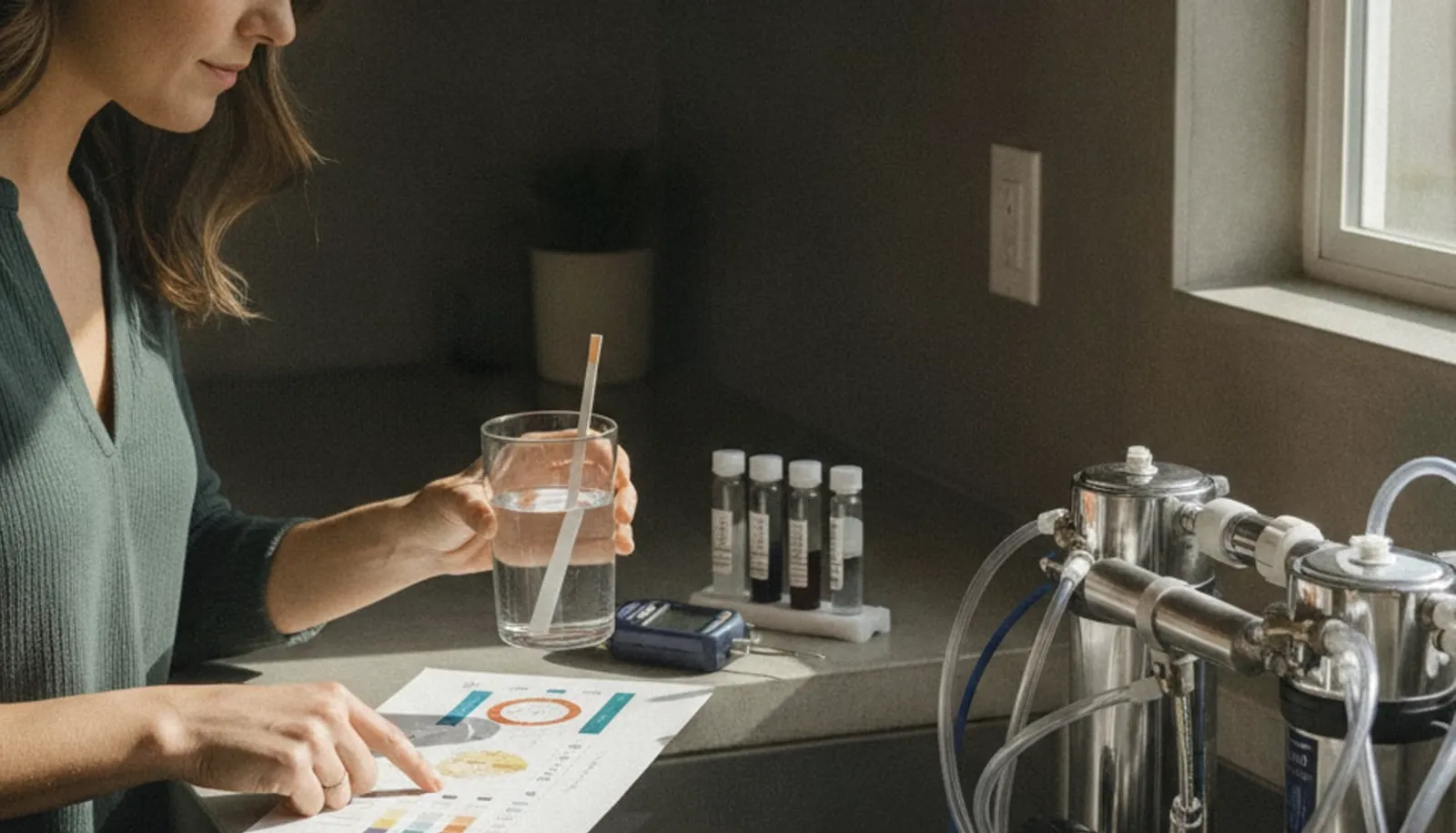
How to test your tap water at home
According to the City of San Diego, tap water in its distribution system typically measures around 16 grains per gallon, though the figure shifts by neighborhood and seasonal demand. A store-bought test strip can give a fast screening reading for whatever parameters that particular kit covers, yet it cannot stand in for a proper lab analysis or confirm that water is safe to drink.
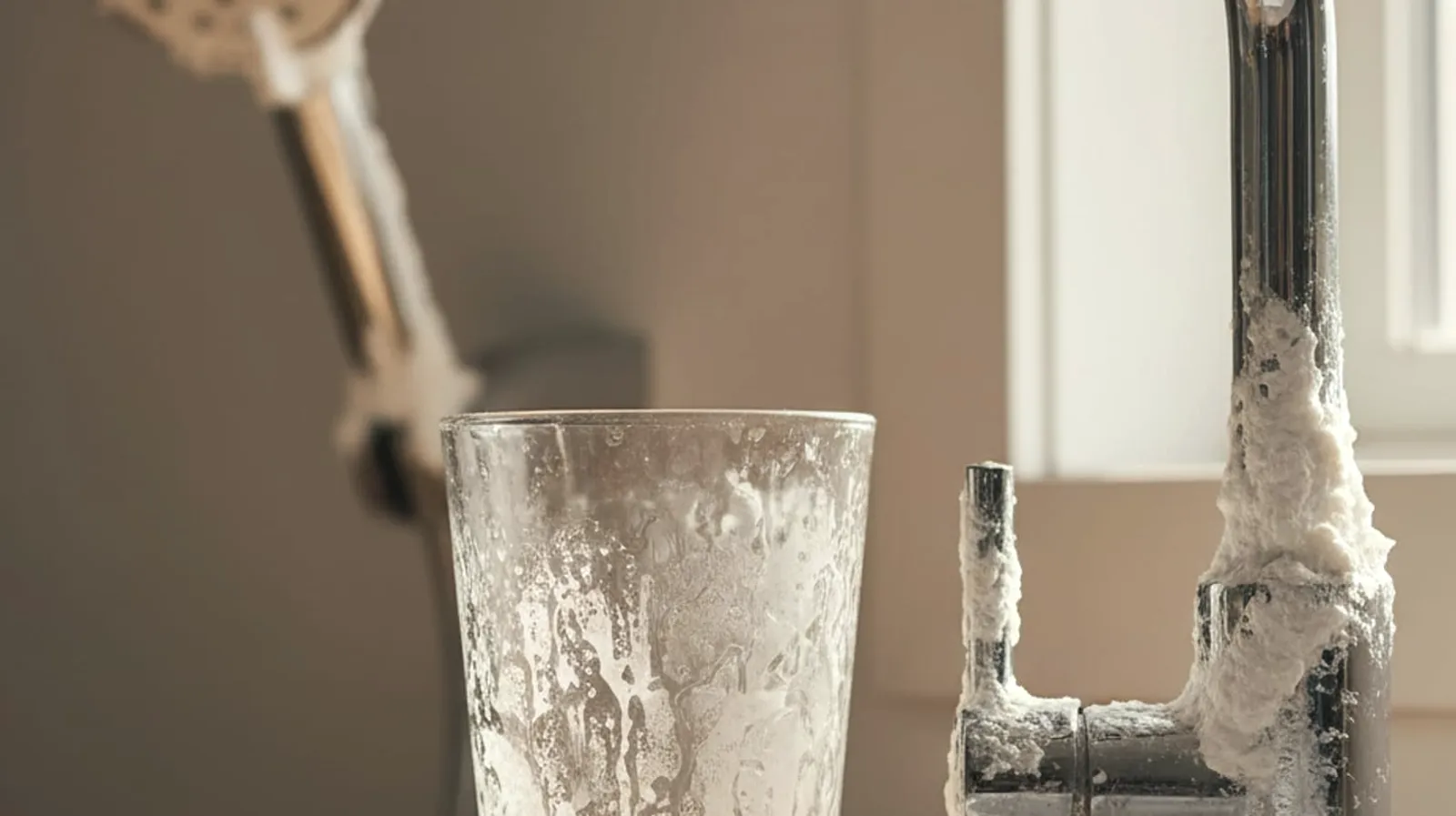
How to spot hard water in your home
Hard water minerals rarely announce themselves through scent or sight. Instead, look for scale, spots, or shifts in how soap foams. Other issues can mimic these clues, so run a proper hardness test before settling on any treatment option.
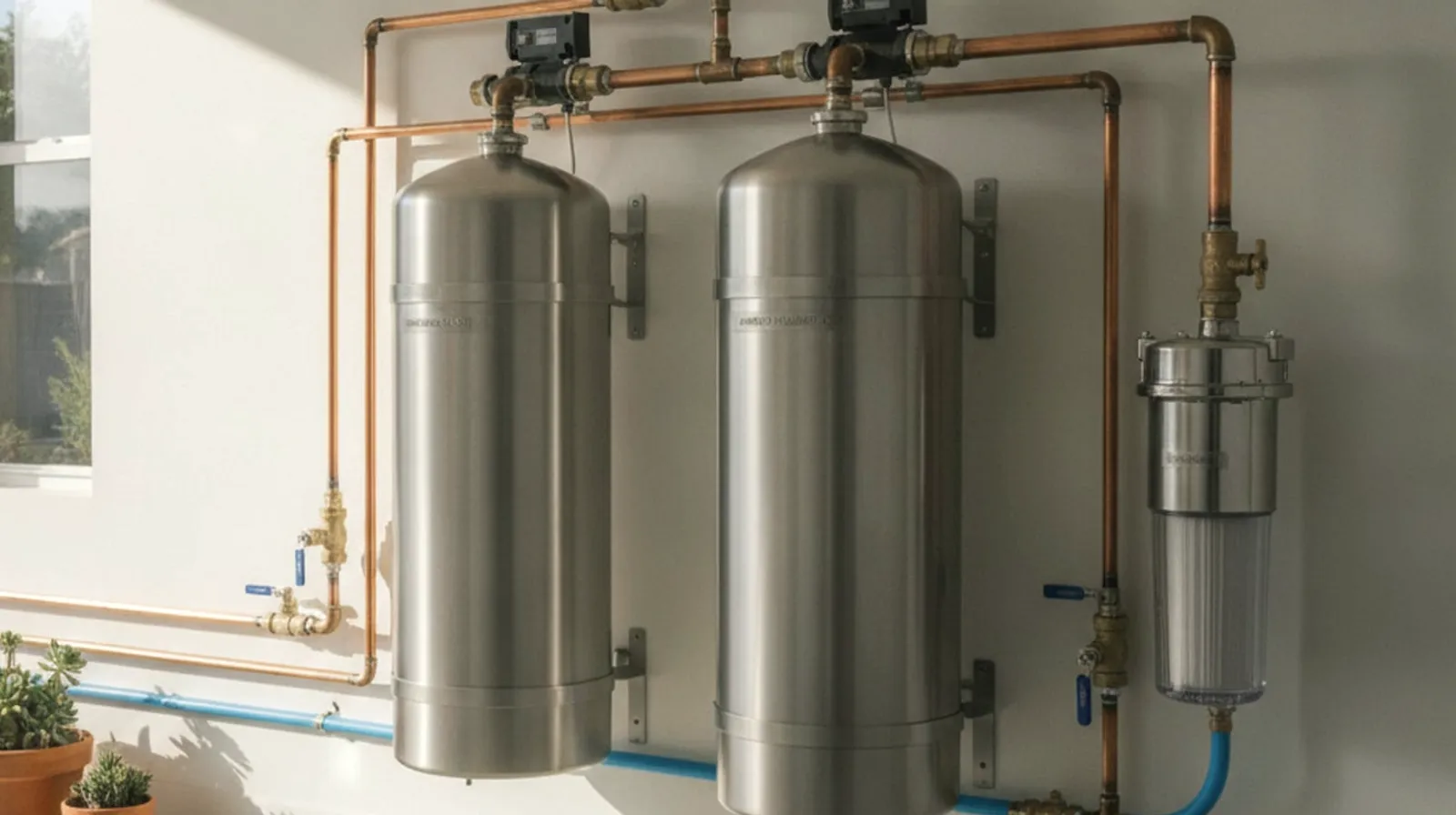
How a whole-house water filtration system works
A point-of-entry water-treatment setup sits on the line that feeds the home, so every fixture past it gets treated water. What gets removed depends on the specific gear, filter media, water flow, and what the unit is certified to reduce. Knowing this scope makes it easier to weigh a whole-house setup against a point-of-use unit attached to a single tap.