PFAS in drinking water, explained
PFAS contamination concerns call for source-targeted information and the right kind of testing. You can't determine whether PFAS are present from a sample that simply looks clear or from a basic field screen, and naming a treatment technology by itself doesn't confirm it will reduce PFAS.
What you'll learn
- Why current, source-specific data matters when asking about PFAS
- Steps for reviewing your water utility's latest report and consumer notices
- Why basic field test strips and complimentary in-home checks can't verify PFAS
- Steps to confirm a specific model's certified PFAS reduction performance
- Why lab findings and treatment confirmation need to address the exact PFAS issue
Step by step
- Figure out which water utility serves the property, or confirm that the home draws from a private well instead.
- Go through the utility's most recent water quality report and any active notices to find PFAS details that apply to your supply source.
- If testing becomes necessary, contact a state-certified lab first to learn about proper PFAS sample collection, handling procedures, which analytes to test for, and the detection limits they can report.
- A TDS meter, a multipurpose test strip, the look of the water, its taste, or its odor cannot reliably confirm or rule out PFAS.
- When considering treatment, check the specific model's independently certified performance claim for the particular PFAS compound you're concerned about; pointing to NSF/ANSI 53 or 58 in general terms won't suffice.
- Stick to the manufacturer's replacement schedule and conditions, and arrange proper follow-up testing if you need to confirm ongoing performance.
A no-cost in-home water check won't verify whether PFAS exist in your water unless it uses a validated, PFAS-specific method, and that should be confirmed before anyone visits. When it comes to treatment, ask for the specific model name and its certified PFAS reduction data instead of accepting a general technology category or a broad standards reference.
Rather have a pro handle it?
Reach out to a separately licensed water-treatment pro in San Diego County. Inquire about the free in-home water test.
Keep learning.
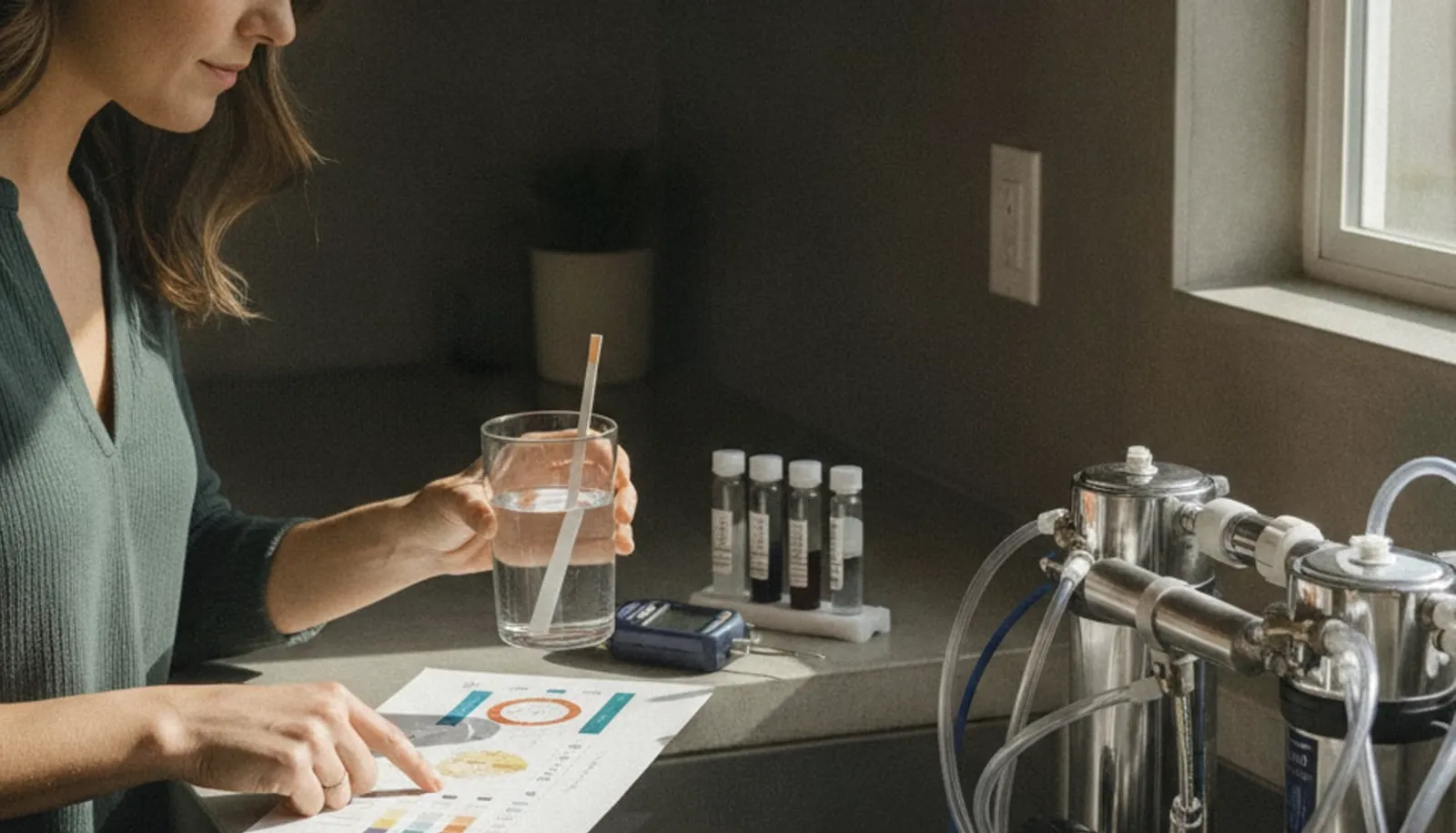
How to test your tap water at home
According to the City of San Diego, tap water in its distribution system typically measures around 16 grains per gallon, though the figure shifts by neighborhood and seasonal demand. A store-bought test strip can give a fast screening reading for whatever parameters that particular kit covers, yet it cannot stand in for a proper lab analysis or confirm that water is safe to drink.
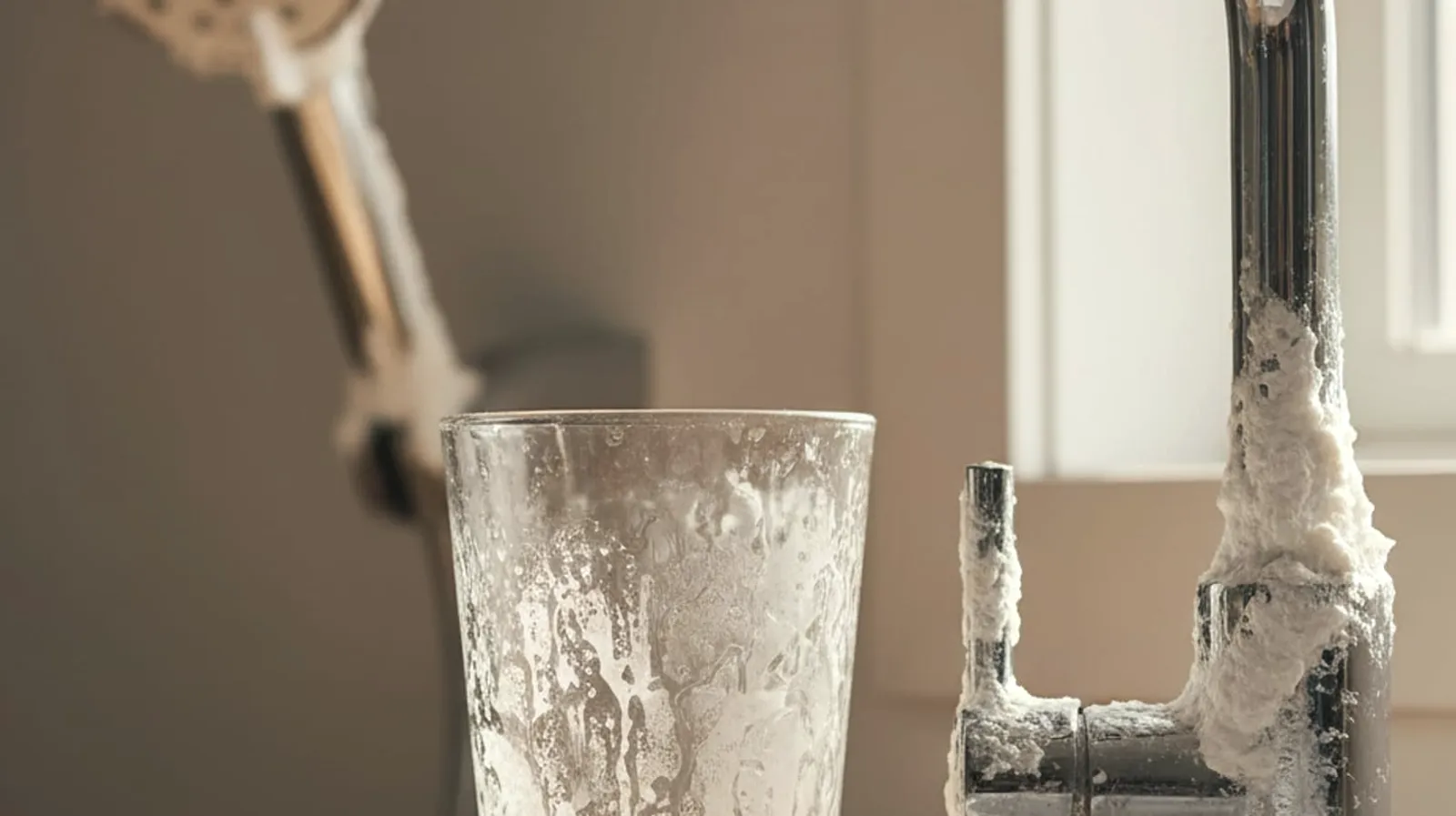
How to spot hard water in your home
Hard water minerals rarely announce themselves through scent or sight. Instead, look for scale, spots, or shifts in how soap foams. Other issues can mimic these clues, so run a proper hardness test before settling on any treatment option.
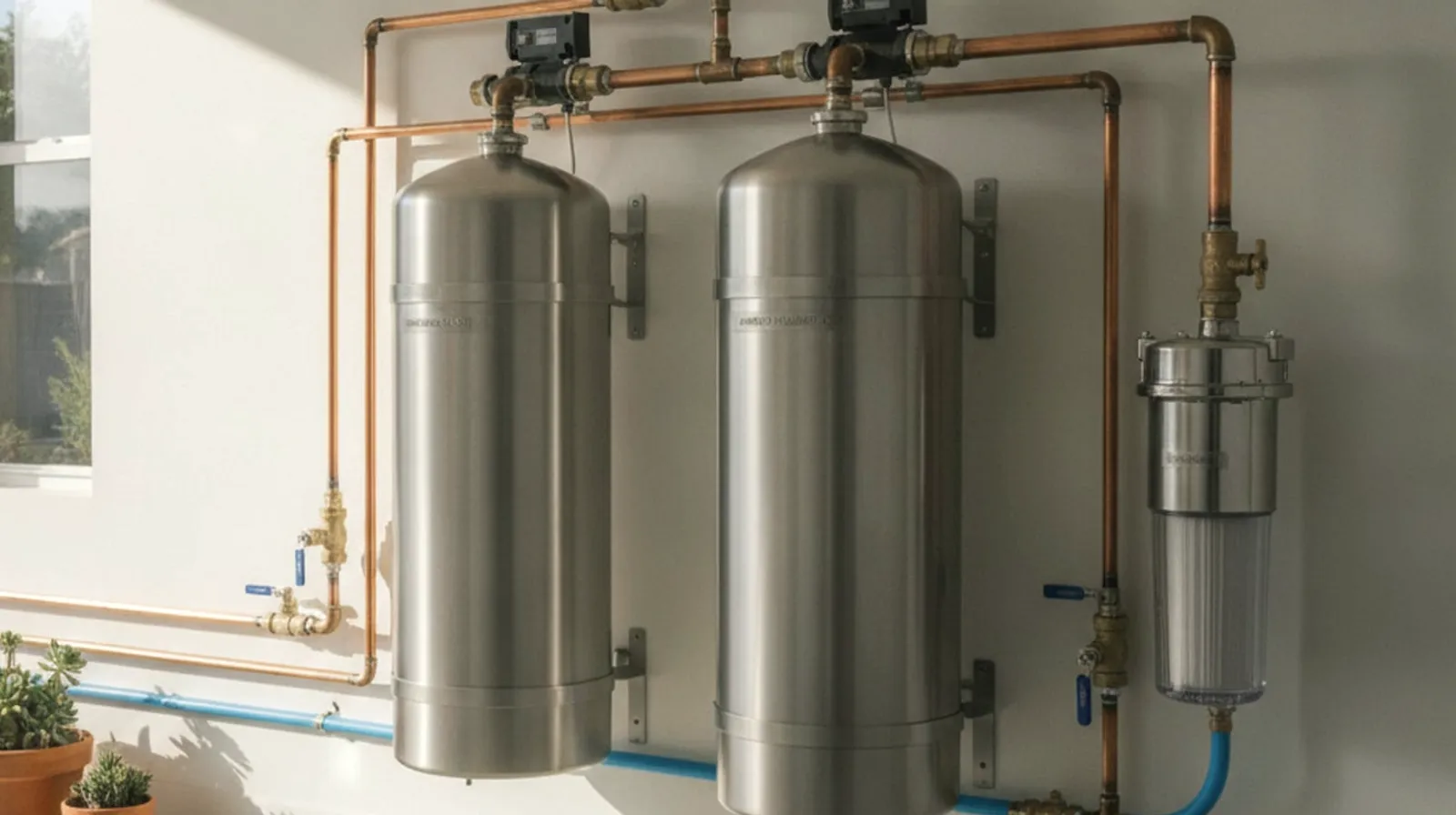
How a whole-house water filtration system works
A point-of-entry water-treatment setup sits on the line that feeds the home, so every fixture past it gets treated water. What gets removed depends on the specific gear, filter media, water flow, and what the unit is certified to reduce. Knowing this scope makes it easier to weigh a whole-house setup against a point-of-use unit attached to a single tap.