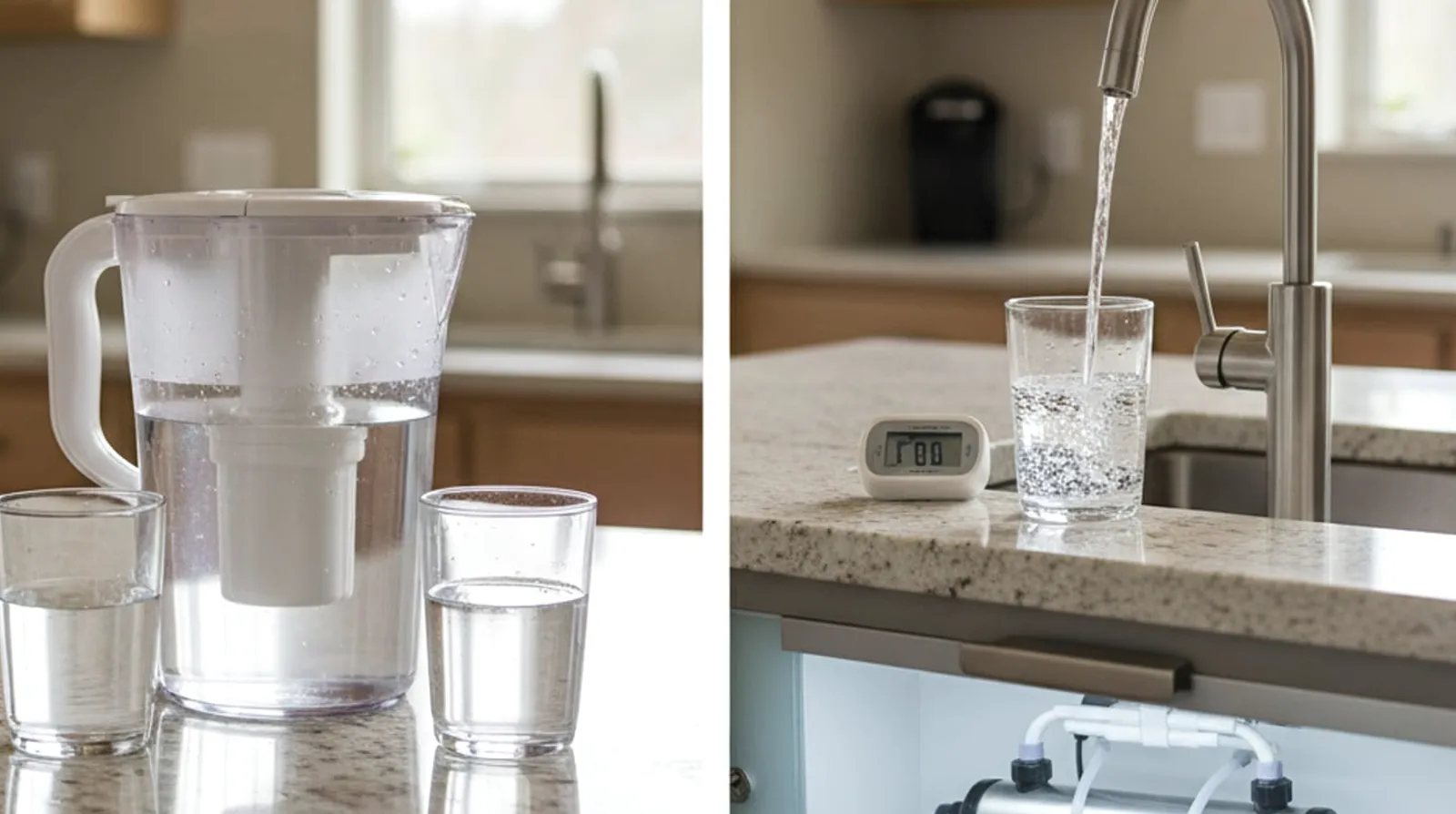
Choosing between point-of-use and point-of-entry treatment starts with your goals. A single tap needs a different approach than an entire plumbing network. Some homeowners combine both strategies to address separate issues. The right path depends on your documented water concerns. It also relies on the certified claims of the exact model you select. Understanding these differences helps you plan effectively.
Defining your treatment scope first
The EPA describes point-of-use equipment as treatment at the tap itself. These setups typically serve drinking and cooking needs. Point-of-entry systems handle water where it crosses into the residence. They process a much larger volume for multiple fixtures. Start by identifying whether your issue affects one sink or many outlets. Review your serving utility report before comparing any equipment options. Appropriate testing will define the specific concern you face. This step prevents buying unnecessary or ineffective gear.
Understanding what your local water contains helps narrow down the right category. Residents from Encinitas to Chula Vista rely on various municipal providers. Each source has its own unique profile.
How membrane-based drinking systems work
Membrane-based drinking systems push water through a semi-permeable barrier. Additional filters often sit before or after this membrane stage. The CDC home-treatment guide explains that such systems can reduce various substances. Shoppers must check the product label for specific chemical claims. NSF/ANSI 58 identifies a certification category for this technology. That standard does not mean every certified model removes every contaminant. Always review the performance data sheet for the exact unit you consider.
These systems generate both treated water and reject water. Efficiency varies significantly depending on the specific model chosen. The EPA maintains a WaterSense RO product search tool for comparing verified efficiency and contaminant claims. Using this database helps you evaluate options side by side. You can see exactly which models meet stricter efficiency standards.
Many homeowners pair these units with under-sink filtration setups for daily convenience.
What entry-point filters actually do
An entry-point filter mounts near the main water line entering your property. It treats higher flow rates destined for several fixtures simultaneously. Performance relies heavily on the chosen media and incoming water quality. Flow rate and certified claims also dictate what the unit achieves. A sediment screen, an activated-carbon tank, and a softener all perform distinct jobs. Never assume a single tank handles taste, disinfectants, hardness, and health contaminants. Only the manufacturer documentation can verify those specific capabilities.
Different media types target different problems. For instance, activated carbon differs from catalytic carbon when addressing chloramines. Knowing this distinction matters when selecting your entry-point equipment.
Pairing two different treatment stages
Combining two technologies makes sense when separate goals require different approaches. An entry-point unit might address a whole-home aesthetic concern. Meanwhile, a dedicated drinking system could handle a specific tap issue. Verify compatibility and maintenance schedules with both manufacturers before proceeding. Stacking equipment together does not automatically improve overall water quality. It also does not guarantee longer lifespans for either component. Every added stage introduces new replacement requirements.
Reviewing whole-house water filtration alongside reverse-osmosis drinking-water systems clarifies how they complement each other.
Evaluating options for San Diego County
No single technology wins universally across this diverse region. San Diego County includes numerous water districts and private wells. Always check current reports and notices from your specific utility provider. City customers should start at the City of San Diego water-quality portal. Do not apply city data to another district or a private well. If you need answers about a specific tap contaminant, use a state-certified laboratory. Generic advice rarely fits every neighborhood perfectly.
Using a water hardness calculator gives you baseline numbers before consulting a professional.
Comparing the two approaches
| Membrane drinking systems | Entry-point filtration | |
|---|---|---|
| Placement location | Beneath the kitchen sink | Where the main line enters the property |
| Targeted substances | Only those listed for the specific model | Only those listed for the chosen media and model |
| Fixture coverage | A single dedicated tap | All fixtures on the treated plumbing lines |
| Ideal application | Defined drinking and cooking goals | Defined treatment goals across many outlets |
| Upkeep needs | Model-specific membranes, filters, and sanitation | Model-specific cartridges, media, and service |
Planning your next steps
Your neighbor’s setup does not dictate what your property requires. Compare your water concerns against rated flow and pressure needs. Look closely at installation changes and long-term replacement costs. Distinguish filtration from softening carefully during your research. NSF/ANSI 44 covers ion-exchange softeners targeting calcium and magnesium. Other standards govern specific aesthetic or health reduction claims. Knowing these categories prevents costly purchasing mistakes.
Clear Water Pros SD connects homeowners with separately operated, licensed independent providers. A basic in-home water assessment helps discuss equipment fit. It does not replace a state-certified laboratory analysis for specific contaminants. Take time to compare your written treatment goal against available options. Visit our FAQ page or contact us for more guidance.
Getting help from a local pro
A separately licensed professional should evaluate persistent water quality issues. They can match certified equipment to your documented test results. Call (858) 400-4647 and Clear Water Pros SD will connect you with an independent local water-treatment professional.
Frequently asked questions
Is entry-point treatment necessary if I already have a drinking system?
You only need broader treatment for a separate documented concern. A drinking system serves one tap and ignores the rest. That limitation alone does not justify adding whole-home equipment.
Will a membrane drinking system eliminate chloramine by itself?
Performance depends entirely on the exact model and its pretreatment stages. Check the manufacturer specifications for verified reduction claims. Not every carbon pre-filter handles chloramine equally well.
Which option should I prioritize if my budget is tight?
Prioritize based on where your verified treatment goal applies. Focus on point-of-use models for a single drinking tap. Look at point-of-entry options if the issue spans many fixtures. Address hardness separately since softening is a different process.
Are entry-point filters and water softeners the same thing?
They are fundamentally different concepts and technologies. One describes where treatment happens within your plumbing layout. The other describes a specific process for reducing hardness minerals. An entry-point setup might include softening as just one stage.
How long does a typical installation take?
Timelines depend on the equipment, access, and plumbing modifications needed. Drain connections and electrical requirements also affect the schedule. Ask the installing provider for a written estimate after inspection.